Tag: water extraction

  • Can Water Damage Cause Electrical Fires? What Every Homeowner Needs to Know

    Can Water Damage Cause Electrical Fires? What Every Homeowner Needs to Know

    Can Water Damage Cause Electrical Fires?

    Yes.

    Water damage can create serious electrical hazards that increase the risk of electrical shorts, damaged wiring, and even house fires if the problem is not addressed quickly.

    While water itself does not always start a fire, it can damage electrical systems, corrode wiring, and create unsafe conditions long after the visible water has dried.

    If your home has experienced flooding, a burst pipe, roof leak, or appliance leak, your electrical system should always be considered during the restoration process.


    Quick Answer

    Water damage can increase the risk of electrical fires by damaging outlets, wiring, electrical panels, and appliances. Never restore power to a flooded area until it has been inspected and declared safe.


    Key Takeaways

    • Water and electricity create dangerous conditions.
    • Wet electrical wiring can short circuit.
    • Corrosion may continue weeks after water damage.
    • Electrical panels exposed to water should be inspected.
    • Fast drying reduces long-term damage.

    How Water Damages Electrical Systems

    Water can reach electrical systems in several ways.

    Flooding may submerge outlets.

    Roof leaks can drip into attic wiring.

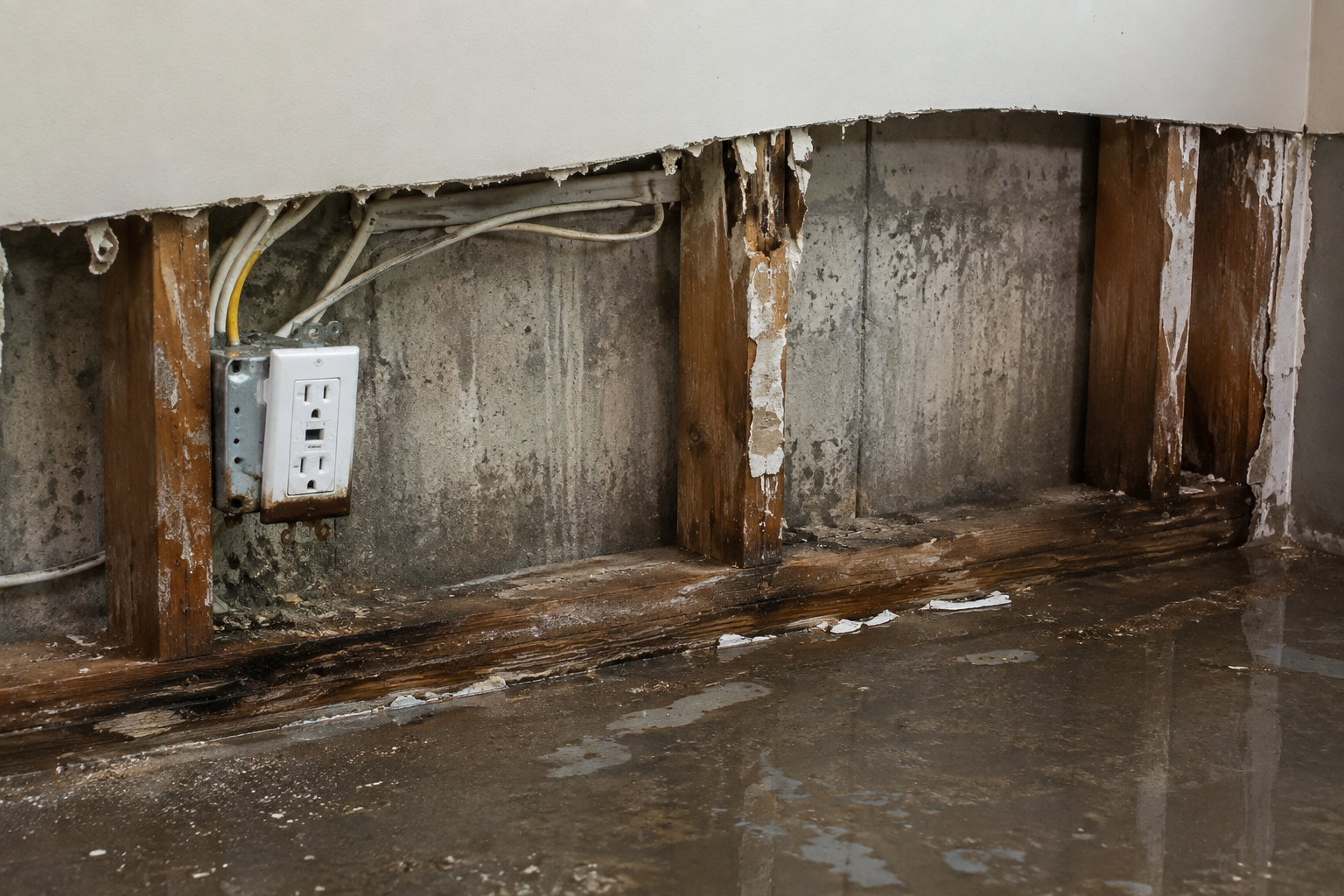
    Burst pipes may soak walls where electrical wiring runs.

    Slab leaks can affect wiring near the foundation.

    Even high humidity after water damage can eventually corrode electrical components.


    Warning Signs

    Watch for:

    • Flickering lights
    • Warm outlets
    • Burning smells
    • Tripped breakers
    • Buzzing sounds
    • Rust around electrical panels
    • Water stains near outlets
    • Sparks

    If any of these occur, stop using the affected circuit and contact a qualified electrician immediately.


    Should You Turn the Power Back On?

    Not until the property has been evaluated.

    If water reached:

    • the breaker panel
    • outlets
    • switches
    • extension cords
    • appliances

    the electrical system should be inspected before power is restored.

    Attempting to energize wet electrical equipment can create a dangerous shock or fire hazard.


    How Professionals Reduce the Risk

    Professional restoration companies help by:

    • Removing standing water quickly
    • Drying structural materials
    • Locating hidden moisture
    • Preventing mold growth
    • Documenting moisture readings
    • Coordinating repairs with electricians when needed

    The sooner moisture is removed, the lower the risk of long-term structural and electrical damage.


    Frequently Asked Questions

    Can water inside walls damage electrical wiring?

    Yes. Hidden moisture inside walls can reach electrical wiring, outlets, and junction boxes.


    Can I use outlets after water damage?

    Only after they have been inspected if water exposure is suspected.


    Does homeowners insurance cover electrical damage from water?

    Many homeowners insurance policies may cover sudden and accidental water damage, but coverage depends on the source of the loss and your individual policy.


    Can wet breakers be reused?

    An electrician should determine whether breakers exposed to water should be replaced.


    Protect Your Home After Water Damage

    If your property has experienced flooding or water damage, don’t wait for electrical problems to develop.

    Professional drying, moisture detection, and fast mitigation help protect both your structure and your electrical system.

    Hurry Restoration provides 24/7 emergency water damage restoration throughout Riverside County, Orange County, Los Angeles County, and San Diego County.


    About Hurry Restoration

    Hurry Restoration is a Southern California emergency restoration company specializing in water damage restoration, structural drying, mold remediation, fire damage restoration, sewage cleanup, and complete reconstruction. We use advanced moisture detection equipment and proven drying methods to restore homes and businesses while working directly with insurance providers.


    📞 Call Hurry Restoration 24/7

    Water damage doesn’t wait—and neither do we.

    📞 Call 800-528-9110
  • How Long Does It Take for Mold to Grow After Water Damage?

    How Long Does It Take for Mold to Grow After Water Damage?

    One of the first questions homeowners ask after discovering water damage is whether mold will become a problem. While mold doesn’t appear instantly, excess moisture can create conditions that allow mold to grow if affected materials remain wet.

    Whether the water came from a burst pipe, appliance leak, overflowing fixture, or slab leak, responding quickly is one of the best ways to reduce the risk of moisture-related damage.


    Quick Answer

    Mold does not begin growing the moment water enters a home, but damp building materials can create conditions that support mold growth if they remain wet. The exact timeline depends on factors such as the amount of water, indoor temperature, humidity, ventilation, and the materials affected. Prompt water extraction and structural drying help reduce the likelihood of mold developing.


    Key Takeaways

    • Moisture is the primary factor that allows mold to grow.
    • Different building materials dry at different rates.
    • Hidden moisture may remain after visible water disappears.
    • Professional drying focuses on removing trapped moisture.
    • Acting quickly may reduce repair costs and secondary damage.

    Why Mold Needs Moisture

    Mold spores naturally exist in indoor and outdoor environments.

    What mold needs to grow is moisture.

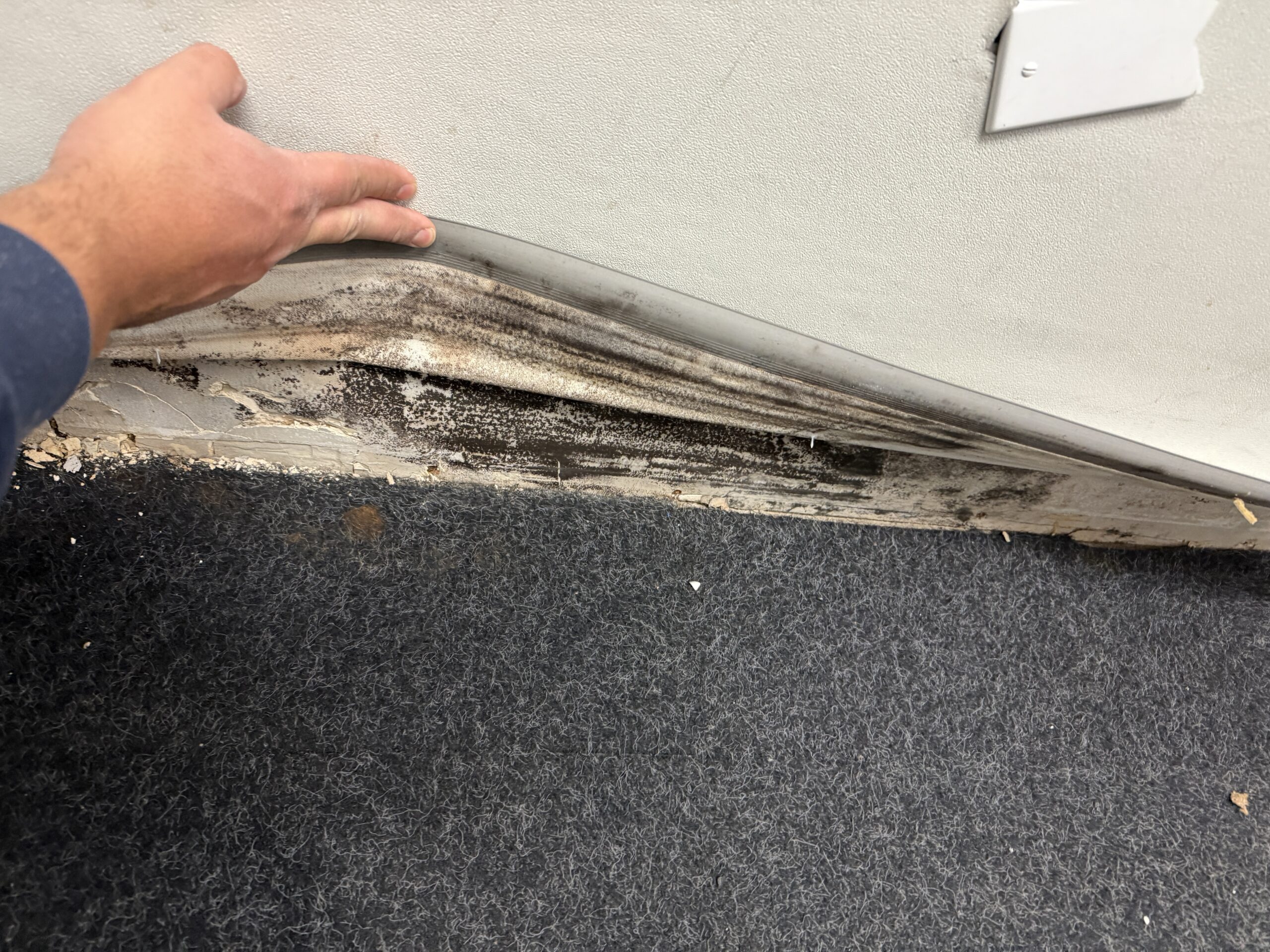
    When drywall, wood, insulation, carpet padding, or other porous materials remain damp, they may provide conditions that support mold growth if they are not properly dried.


    Not Every Water Leak Causes Mold

    A common misconception is that every plumbing leak automatically results in mold.

    Many water losses can be dried successfully before mold becomes an issue.

    The key is identifying where water has traveled and drying affected materials before moisture remains trapped for an extended period.


    Hidden Moisture Is Often the Bigger Problem

    Visible water is usually not the greatest concern.

    Hidden moisture behind walls, beneath flooring, inside cabinets, and within insulation may remain long after surfaces appear dry.

    This is why professional inspections focus on locating moisture that homeowners cannot easily see.


    Materials That Stay Wet Longer

    Some building materials dry relatively quickly, while others retain moisture much longer.

    Materials commonly requiring additional evaluation include:

    • Drywall
    • Insulation
    • Hardwood flooring
    • Carpet padding
    • Wood framing
    • Cabinet bases
    • Subfloors

    What We See in Real Homes

    During water damage inspections, we often find homeowners have already cleaned up visible water before calling.

    While the floor may appear dry, moisture sometimes remains trapped beneath flooring, inside wall cavities, or behind cabinets. Professional moisture mapping helps identify these hidden areas so they can be evaluated and dried appropriately.


    How Professionals Help Reduce the Risk of Mold

    Professional restoration focuses on removing excess moisture from affected building materials.

    Depending on the situation, this may include:

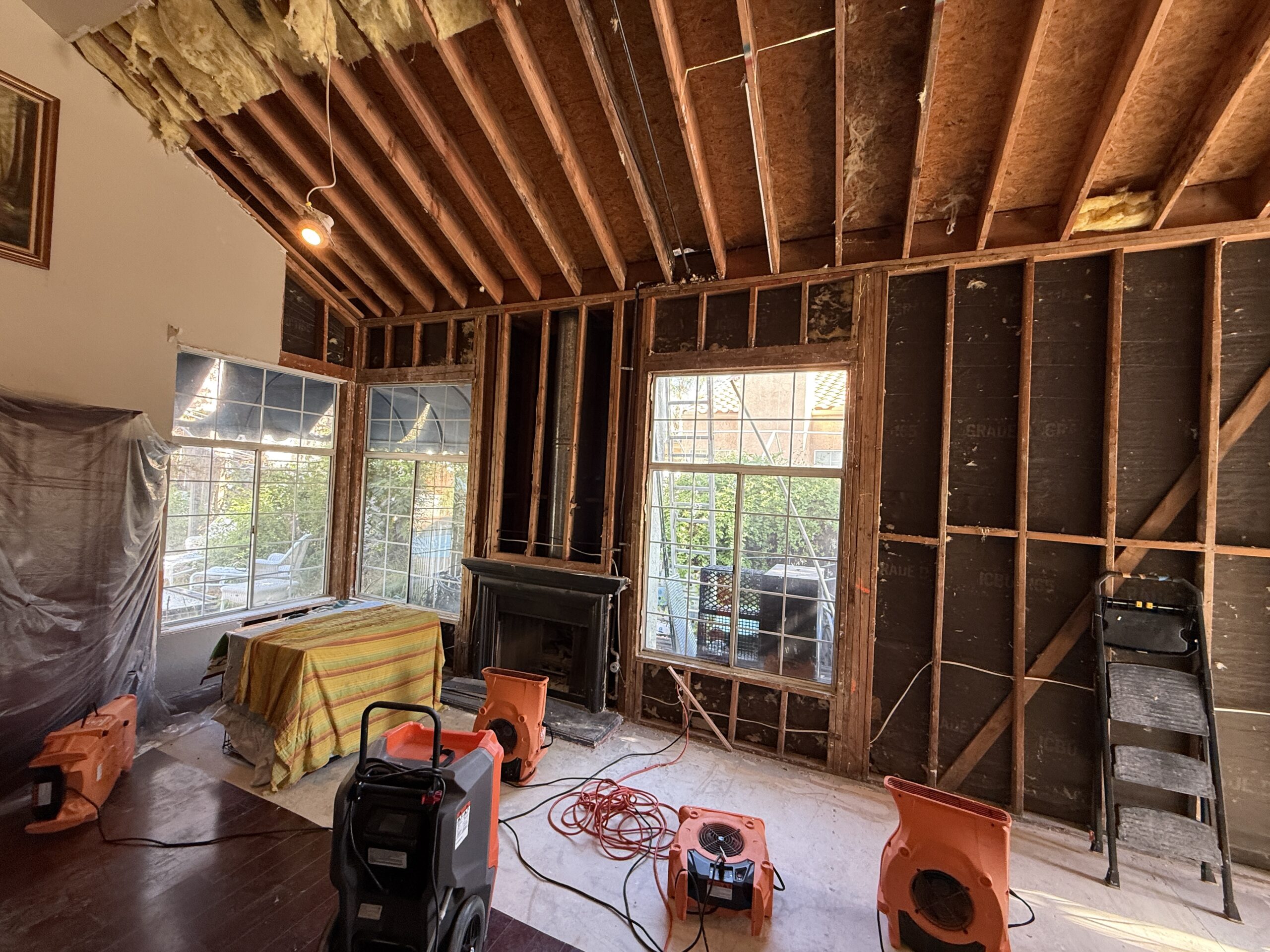
    • Water extraction
    • Structural drying
    • Moisture mapping
    • Moisture monitoring
    • Removal of materials that cannot be effectively dried

    The goal is to return materials to appropriate moisture levels whenever possible.


    Can I Just Use Fans?

    Household fans help move air across surfaces, but they may not remove moisture trapped inside building materials or beneath flooring.

    Professional drying systems are designed to manage airflow, humidity, and moisture throughout the drying process.


    Professional Insight from Hurry Restoration

    Throughout Riverside County and San Bernardino County, the Hurry Restoration team regularly responds to plumbing leaks, burst pipes, appliance failures, and water heater leaks. One of the most important parts of every inspection is determining where moisture has traveled—not just where water is visible.

    Finding hidden moisture early allows homeowners to make informed decisions before additional damage develops.


    Frequently Asked Questions

    Does every water leak cause mold?

    No. Many water losses are successfully dried before mold becomes an issue.


    Can mold grow behind drywall?

    Yes. If moisture remains trapped behind drywall, conditions may support mold growth.


    Is visible mold always the first sign?

    Not always. Homeowners sometimes notice odors, staining, or swelling before visible mold appears.


    How do professionals check for hidden moisture?

    Restoration professionals use moisture meters, thermal imaging when appropriate, hygrometers, and moisture mapping techniques to evaluate affected materials.


    Mold Prevention After Water Damage in Riverside & San Bernardino Counties

    Hurry Restoration provides emergency water extraction, structural drying, moisture inspections, and water damage restoration throughout Riverside County and San Bernardino County, including Riverside, Corona, Norco, Ontario, Rancho Cucamonga, Moreno Valley, and surrounding Inland Empire communities.

    If your property has experienced water damage, prompt inspection can help determine the extent of the moisture and the appropriate restoration approach.


    About Hurry Restoration

    Hurry Restoration provides 24/7 emergency water damage restoration, moisture inspections, structural drying, and water extraction throughout Riverside County and San Bernardino County. Our team uses professional moisture detection equipment to identify hidden water damage and develop effective drying plans following plumbing leaks, burst pipes, appliance failures, and other water-related emergencies.


    📞 Call Hurry Restoration 24/7

    If your home has experienced water damage, don’t wait to determine whether hidden moisture is still present.

    Call Hurry Restoration 24/7

  • Burst Pipe Water Damage: What to Do Before Help Arrives | Hurry Restoration

    Burst Pipe Water Damage: What to Do Before Help Arrives | Hurry Restoration

    A burst pipe can release gallons of water into your home within minutes, causing extensive damage to flooring, drywall, cabinets, insulation, and personal belongings. Whether the pipe bursts due to freezing temperatures, aging plumbing, high water pressure, or an unexpected failure, acting quickly can significantly reduce repair costs and prevent secondary damage like mold growth.

    At Hurry Restoration, we provide 24/7 emergency water damage restoration throughout Riverside and San Bernardino Counties, helping homeowners recover from burst pipe emergencies with rapid water extraction, structural drying, and complete restoration services.


    What Causes a Pipe to Burst?

    Several issues can cause residential plumbing pipes to fail unexpectedly, including:

    • Frozen pipes
    • Corrosion inside older plumbing
    • High water pressure
    • Clogged pipes creating excess pressure
    • Tree root intrusion
    • Poor plumbing installation
    • Aging pipe materials
    • Foundation movement

    Many burst pipes happen without warning and continue leaking until the home’s main water supply is shut off.


    Step 1: Shut Off the Main Water Supply

    The first priority is stopping the flow of water.

    Locate your home’s main water shut-off valve and turn it off immediately. This prevents additional water from entering your plumbing system and minimizes further property damage.

    If you are unsure where your shut-off valve is located, contact your local water provider or a licensed plumber for assistance after the emergency has been controlled.


    Step 2: Turn Off Electricity If Water Is Near Electrical Components

    If standing water is approaching outlets, electrical panels, appliances, or exposed wiring, turn off electricity to the affected areas only if it is safe to do so.

    Never walk through standing water that may be energized.

    Your safety should always come first.


    Step 3: Remove Standing Water If It Is Safe

    The faster excess water is removed, the less damage your home may experience.

    If the affected area is small, towels or a wet vacuum may help remove surface water.

    For larger losses, professional extraction equipment removes significantly more water and helps reduce drying time.


    Step 4: Protect Furniture and Personal Belongings

    Move valuable belongings away from wet flooring whenever possible.

    Items to prioritize include:

    • Electronics
    • Important documents
    • Area rugs
    • Family photographs
    • Furniture
    • Clothing
    • Artwork

    If furniture cannot be moved, placing aluminum foil or wood blocks beneath the legs may help reduce additional moisture absorption.


    Step 5: Document Everything for Insurance

    Before cleanup begins, document the damage thoroughly.

    Take clear photographs of:

    • The broken pipe
    • Standing water
    • Damaged flooring
    • Wet drywall
    • Cabinets
    • Personal belongings
    • Moisture spread

    Detailed documentation can help support your insurance claim and provide a clear record of the loss.


    How Professional Water Damage Restoration Helps

    Professional restoration companies do much more than simply remove visible water.

    The restoration process typically includes:

    • Moisture inspection
    • Thermal imaging when necessary
    • Water extraction
    • Removal of damaged materials
    • Structural drying
    • Commercial dehumidification
    • Daily moisture monitoring
    • Mold prevention
    • Cleaning and sanitizing
    • Restoration planning

    Hidden moisture inside walls, flooring, and insulation often remains long after surface water has disappeared.


    Can a Burst Pipe Cause Mold?

    Yes.

    Mold can begin developing within 24 to 48 hours when building materials remain wet.

    Drywall, insulation, wood framing, carpet padding, and cabinetry are especially vulnerable to mold growth if moisture is not removed properly.

    Rapid drying greatly reduces the likelihood of mold developing after a burst pipe.


    Does Homeowners Insurance Cover Burst Pipes?

    In many situations, homeowners insurance covers sudden and accidental water damage caused by a burst pipe.

    Coverage often depends on:

    • The cause of the pipe failure
    • Policy exclusions
    • Maintenance history
    • Whether the damage resulted from sudden failure or long-term neglect

    Your insurance carrier can explain the specific coverage available under your policy.


    Why Fast Response Matters

    Water continues spreading through porous building materials every minute.

    The longer moisture remains inside your home, the greater the risk of:

    • Drywall damage
    • Hardwood floor damage
    • Cabinet swelling
    • Structural deterioration
    • Mold growth
    • Higher repair costs

    Quick action often results in a faster restoration process and less overall damage.


    Frequently Asked Questions

    How quickly should I respond to a burst pipe?

    Immediately. Every minute the water continues flowing increases damage and restoration costs.


    Can I stay in my home during restoration?

    Many homeowners can remain in their homes during smaller losses. Larger losses may require temporary relocation depending on the extent of damage.


    Will fans dry everything?

    Household fans help circulate air but usually cannot remove enough moisture trapped inside walls, flooring, insulation, and structural materials.


    How long does water damage restoration take?

    Every project is different, but most drying processes take between 3 and 5 days, depending on the amount of moisture and the affected materials.


    Need Emergency Burst Pipe Cleanup?

    If a burst pipe has caused water damage in your home, acting quickly can help reduce damage and protect your property.

    Hurry Restoration provides 24/7 emergency water extraction, structural drying, and water damage restoration throughout Riverside and San Bernardino Counties. Our team responds quickly, uses professional drying equipment, and works to restore your property as efficiently as possible.

    Call Hurry Restoration anytime for immediate emergency water damage assistance.

  • How Long Does Water Damage Restoration Take? Timeline Explained

    How Long Does Water Damage Restoration Take? Timeline Explained

    How Long Does Water Damage Restoration Take?

    One of the first questions homeowners ask after discovering water damage is:

    “How long will this take?”

    The answer depends on several factors, including the amount of water involved, the affected building materials, and how quickly professional drying begins.

    While every property is different, understanding the restoration timeline can help set realistic expectations and explain why acting quickly is so important.

    Typical Water Damage Restoration Timeline

    Day 1: Emergency Response

    A professional restoration company typically begins by:

    • Inspecting the property
    • Locating the water source
    • Measuring moisture levels
    • Photographing the damage
    • Extracting standing water
    • Creating a drying plan

    Early action helps reduce secondary damage.


    Days 2–4: Structural Drying

    Commercial drying equipment is used to remove moisture from:

    • Drywall
    • Wood framing
    • Subfloors
    • Cabinets
    • Flooring
    • Insulation (when appropriate)

    Daily moisture readings are taken to monitor progress.


    Days 3–5: Equipment Monitoring

    Technicians return to:

    • Record moisture readings
    • Adjust equipment placement
    • Verify drying goals are being met
    • Remove equipment when materials are dry

    Final Repairs

    After mitigation is complete, reconstruction may include:

    • Drywall replacement
    • Painting
    • Flooring installation
    • Cabinet repairs or replacement
    • Trim and baseboards

    The repair phase varies depending on the scope of damage.


    What Can Affect the Timeline?

    Several factors influence how long restoration takes.

    Type of Water

    Clean water losses are often easier to restore than sewage or contaminated water events.


    Size of the Affected Area

    A small bathroom leak typically dries faster than water affecting multiple rooms.


    Building Materials

    Materials absorb moisture differently.

    Examples include:

    • Hardwood flooring
    • Drywall
    • Tile
    • Carpet
    • Concrete
    • Cabinets

    Each material has different drying characteristics.


    Hidden Moisture

    Water often travels behind:

    • Walls
    • Cabinets
    • Flooring
    • Baseboards
    • Insulation

    Professional moisture mapping helps locate areas that are not immediately visible.


    Why You Shouldn’t Rush the Drying Process

    One of the biggest mistakes homeowners make is assuming materials are dry because they no longer feel wet.

    Professional drying relies on moisture measurements—not appearance.

    Stopping the drying process too early can increase the risk of:

    • Mold growth
    • Warped flooring
    • Odors
    • Hidden structural damage

    What an IICRC-Certified Restoration Professional Wants You to Know

    Visible water is only part of the problem.

    Moisture often migrates into framing, subfloors, drywall, and insulation. Professional moisture meters and thermal imaging help identify hidden moisture so materials can be dried to appropriate levels before reconstruction begins.


    Frequently Asked Questions

    Can water damage dry on its own?

    Some moisture may evaporate naturally, but trapped moisture inside building materials often requires professional drying equipment.


    Why do restoration companies check moisture every day?

    Daily moisture readings help verify that materials are drying properly and determine when equipment can be safely removed.


    Does drying always take three days?

    No. Smaller losses may dry more quickly, while larger or more complex losses can take longer depending on the materials and extent of damage.


    Can mold grow while a home is drying?

    If moisture remains for an extended period, mold can begin developing. Prompt extraction and structural drying help reduce this risk.


    Final Thoughts

    Every water damage loss is different, but responding quickly and following a professional drying plan can significantly reduce repair costs and help protect your home from additional damage.