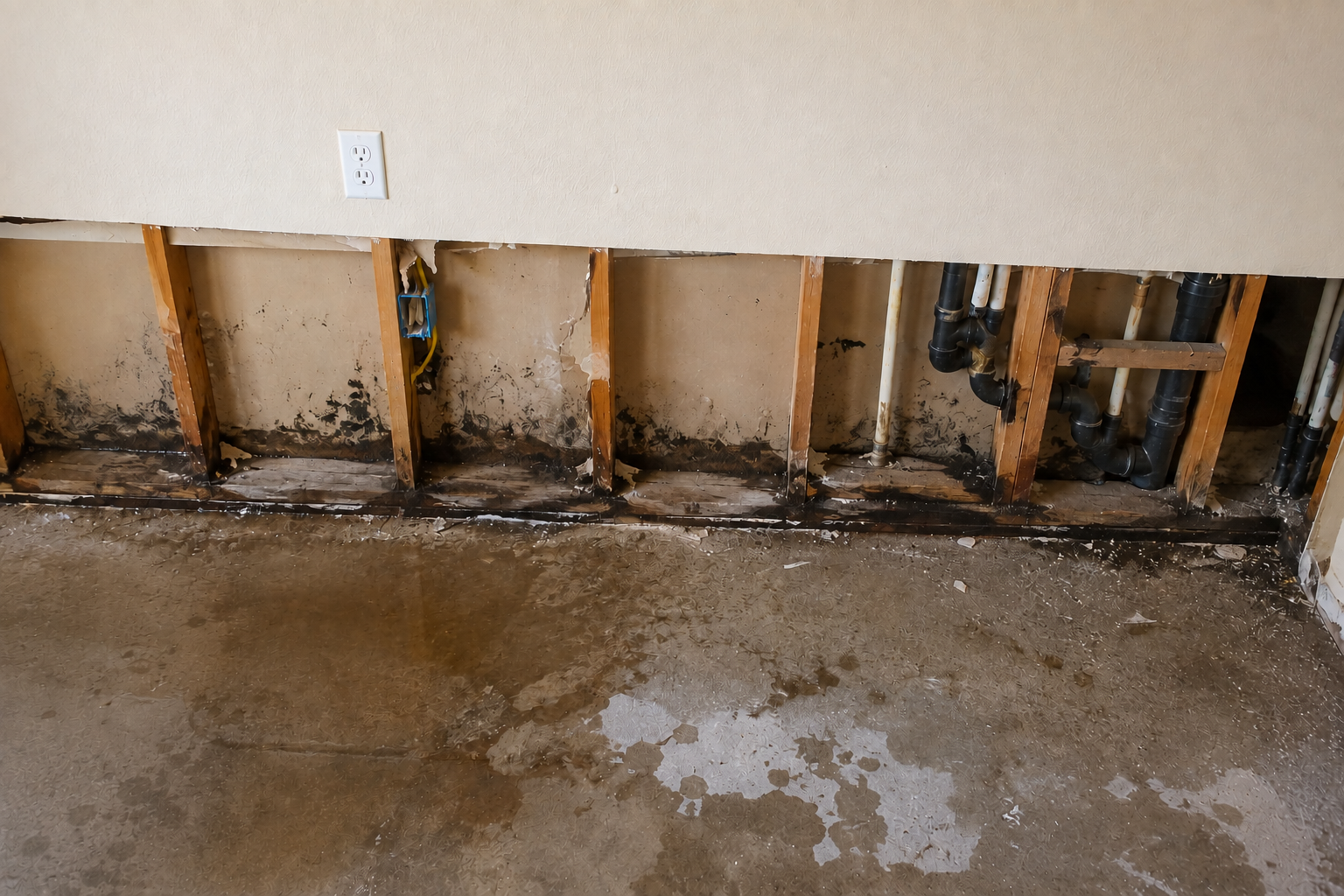
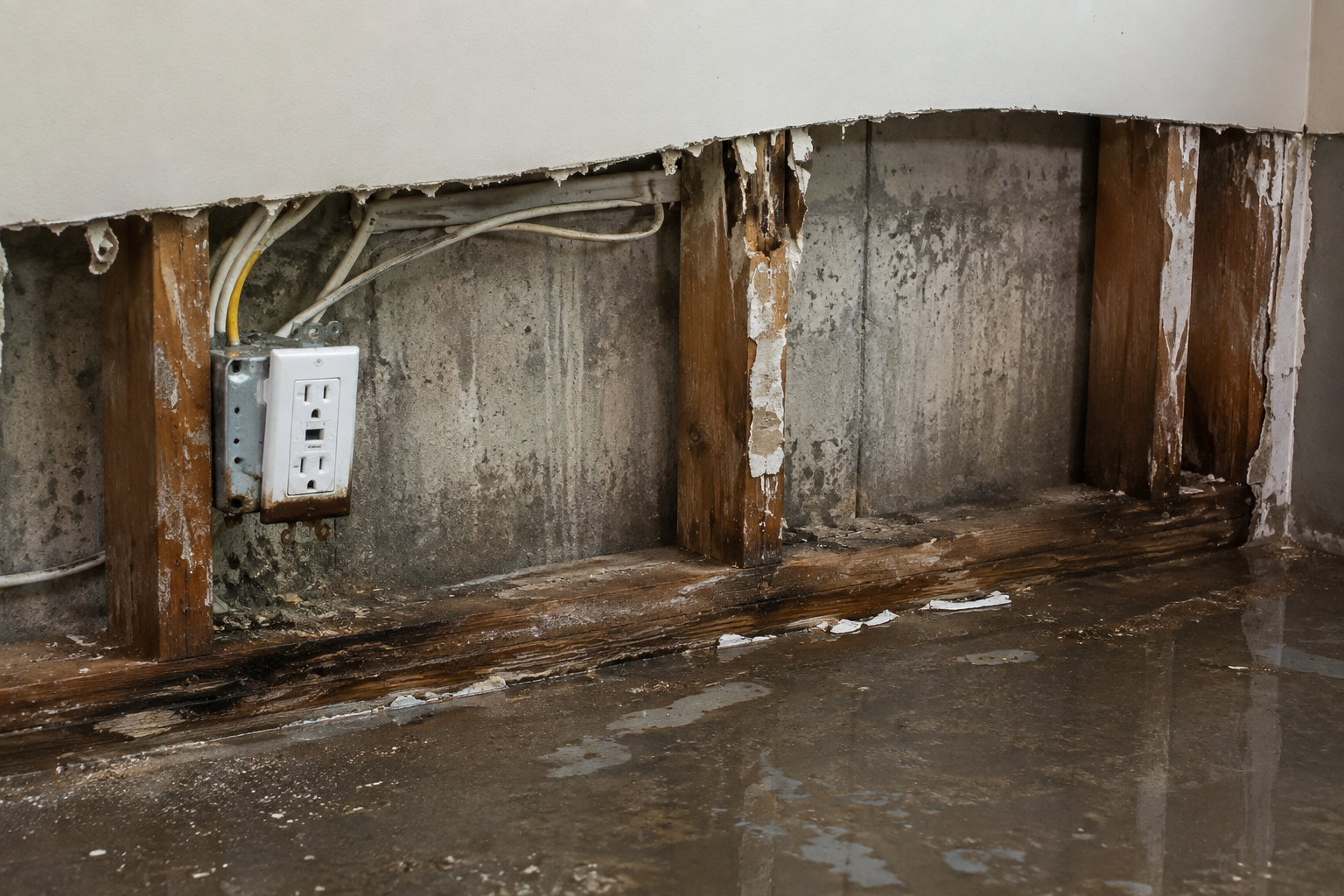
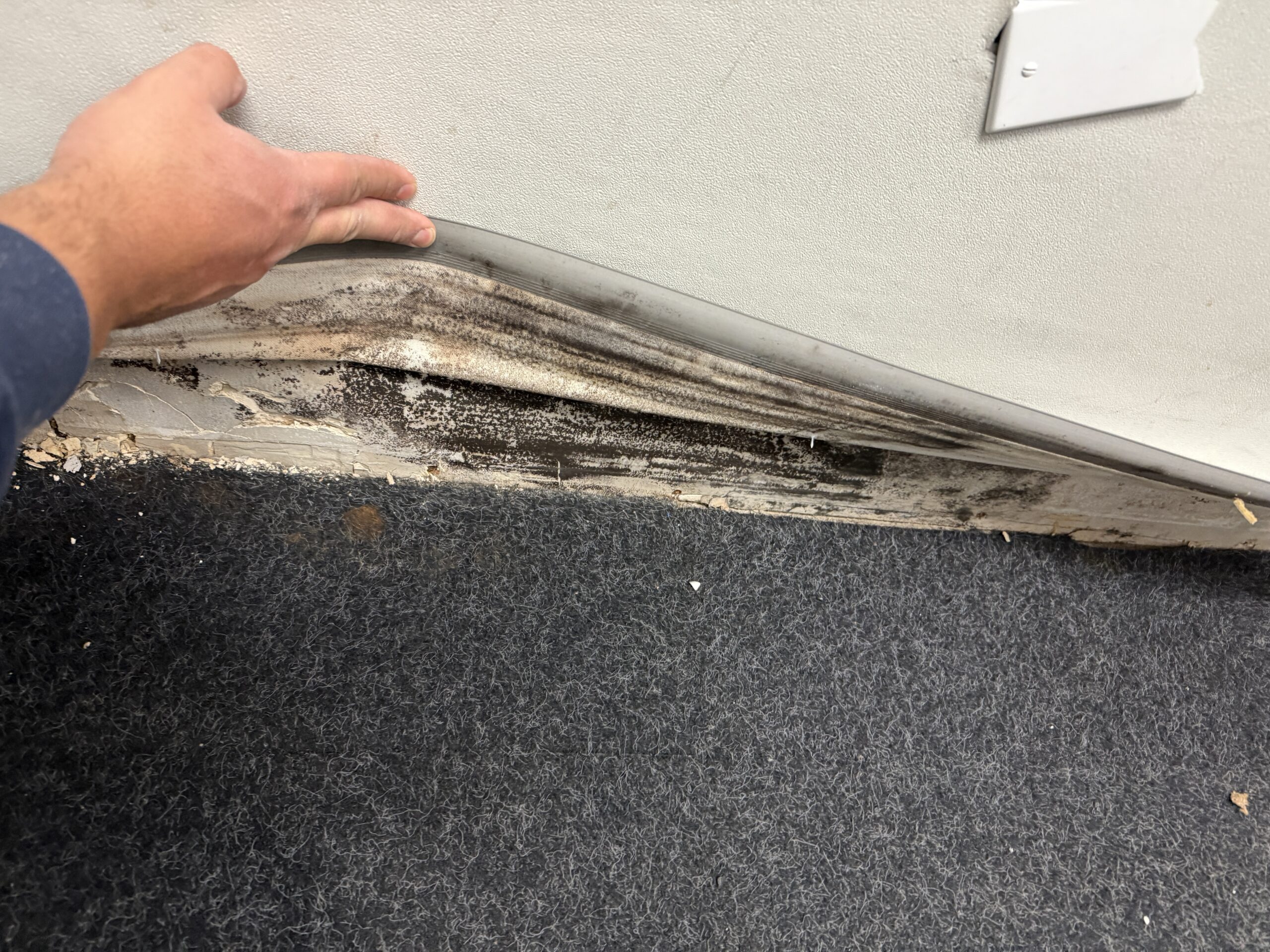
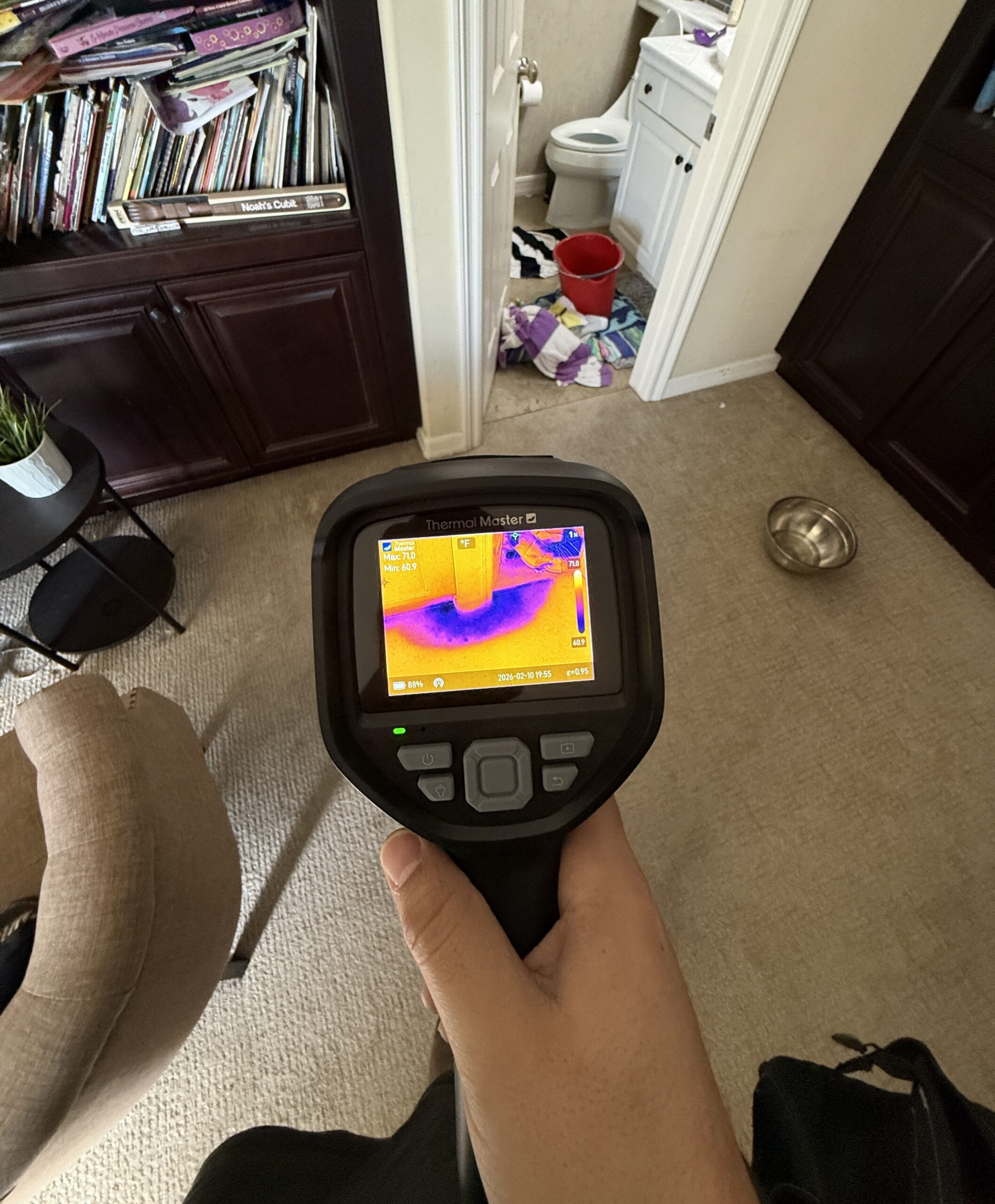
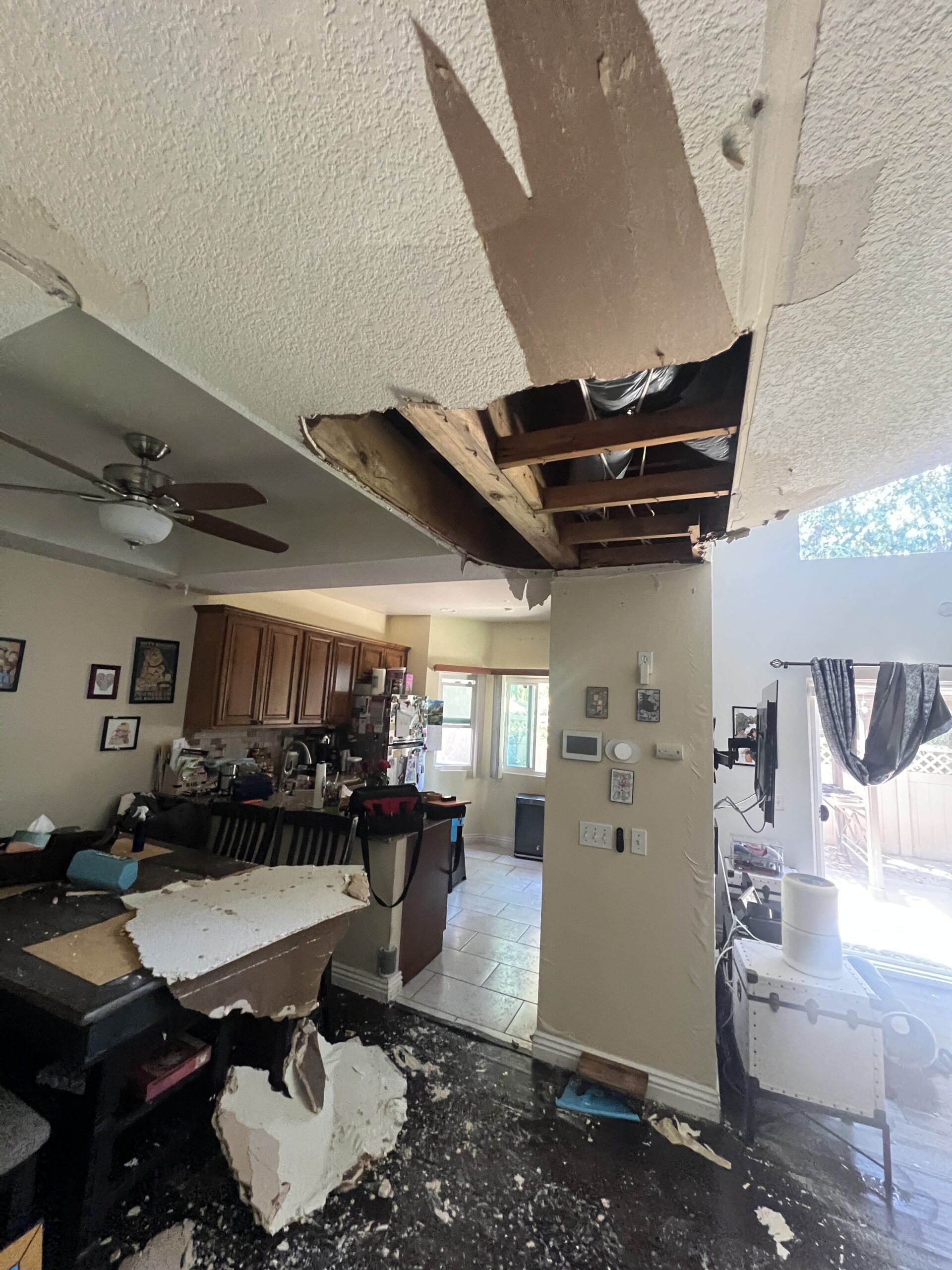
Tag: water damage

  • Does Homeowners Insurance Cover Water Damage? (Complete 2026 Guide)

    Does Homeowners Insurance Cover Water Damage? (Complete 2026 Guide)

    Finding water damage in your home is stressful enough—but one of the first questions homeowners ask is:

    “Will my homeowners insurance cover this?”

    The answer is sometimes.

    Insurance companies generally cover sudden and accidental water damage, but they often deny claims involving long-term neglect, maintenance issues, or gradual leaks.

    At Hurry Restoration, we’ve worked with homeowners throughout Riverside County and the Inland Empire who weren’t sure whether their loss was covered. Our team helps document the damage, perform emergency mitigation, and work directly with insurance adjusters whenever possible.

    If you’re dealing with water damage, understanding what your policy typically covers can help you make the right decisions quickly.


    When Does Homeowners Insurance Usually Cover Water Damage?

    Most homeowners insurance policies cover sudden, unexpected water damage that could not have been reasonably prevented.

    Common examples include:

    • Burst pipes
    • Water heater failures
    • Washing machine supply line failures
    • Refrigerator water line leaks
    • Dishwasher overflows
    • Plumbing leaks inside walls
    • Accidental toilet overflows (depending on the cause)
    • Storm damage that allows water to enter after covered roof damage

    If one of these events causes damage to drywall, flooring, cabinets, insulation, or personal belongings, your insurance policy will often help pay for repairs after your deductible.


    Water Damage That Insurance Often Does NOT Cover

    Insurance companies generally expect homeowners to maintain their property.

    Claims are commonly denied for:

    • Slow plumbing leaks left unrepaired
    • Long-term roof leaks
    • Poor maintenance
    • Mold caused by neglected leaks
    • Foundation seepage
    • Groundwater entering through the slab
    • Flooding from rising water outside the home (requires separate flood insurance)

    If the damage occurred gradually over weeks or months, there is a higher chance your claim may be denied.


    Does Insurance Cover Mold?

    Mold coverage depends on what caused the mold.

    If mold develops because of a covered water loss, insurance may help pay for remediation, depending on your policy limits.

    For example:

    ✅ Burst pipe → Mold develops → Often covered.

    ❌ Slow leak under a sink for six months → Mold develops → Often denied.

    This is one reason it’s critical to begin drying your property immediately after discovering water damage.


    Does Insurance Cover Water Damage from a Slab Leak?

    Slab leaks can be confusing.

    Many insurance companies may cover the resulting damage caused by a sudden slab leak, such as:

    • Wet flooring
    • Damaged drywall
    • Baseboards
    • Cabinets
    • Moisture trapped beneath flooring

    However, they often do not pay to repair the actual plumbing pipe that failed.

    Every policy is different, so reviewing your specific coverage is important.


    What Should You Do Immediately After Water Damage?

    The first 24 to 48 hours are critical.

    Follow these steps:

    1. Shut off the water source if possible.
    2. Turn off electricity if water is near electrical hazards.
    3. Take photographs before moving anything.
    4. Contact your insurance company.
    5. Call a professional restoration company immediately.
    6. Begin drying the property as soon as possible.

    Quick action helps reduce damage, prevent mold growth, and strengthens your insurance claim documentation.


    Why Professional Documentation Matters

    Insurance companies rely heavily on documentation.

    At Hurry Restoration, we use professional equipment to document:

    • Moisture mapping
    • Thermal imaging
    • Moisture meter readings
    • Daily drying logs
    • Equipment monitoring
    • Before-and-after photographs

    This information helps show exactly what was affected and supports your insurance claim.


    What Does Water Damage Restoration Include?

    Professional restoration is much more than placing fans in a room.

    Depending on the loss, restoration may include:

    • Emergency water extraction
    • Structural drying
    • Moisture mapping
    • Dehumidification
    • HEPA air filtration
    • Mold prevention
    • Selective demolition
    • Content protection
    • Odor removal
    • Reconstruction services

    Every property is different, and the drying plan is based on moisture readings and industry standards.


    Frequently Asked Questions

    Will insurance pay for a burst pipe?

    In many cases, yes. Sudden and accidental pipe failures are commonly covered, although repairing the pipe itself may not always be included.


    Is a water heater leak covered?

    Often yes, if the leak occurred suddenly and unexpectedly. The resulting water damage is frequently covered, but replacing the water heater may not be.


    Does homeowners insurance cover flood damage?

    Usually not.

    Flooding caused by rising water from outside generally requires a separate flood insurance policy.


    Should I wait for my insurance company before drying my home?

    No.

    Insurance companies expect homeowners to take reasonable steps to prevent additional damage. Waiting can allow mold to develop and increase repair costs.


    Trust Hurry Restoration When Water Damage Happens

    Water damage doesn’t wait—and neither should you.

    Whether you’re dealing with a burst pipe, slab leak, appliance failure, or unexpected water intrusion, Hurry Restoration provides fast emergency response, professional moisture documentation, structural drying, and complete restoration services throughout Riverside County and the Inland Empire.

    Our goal is to help protect your property, minimize damage, and guide you through the restoration process from start to finish.

    Need emergency water damage restoration? Call Hurry Restoration 24/7 at (800) 528-9110 for immediate assistance.

  • How Long Can Drywall Stay Wet Before Mold Grows?

    How Long Can Drywall Stay Wet Before Mold Grows?

    Quick Answer

    Drywall can begin developing mold within 24 to 48 hours after becoming wet. Because drywall absorbs moisture quickly, hidden water can remain trapped behind walls even when the surface appears dry. Professional drying and moisture inspections are the best way to reduce mold growth and prevent expensive structural damage.


    Key Takeaways

    • Mold can begin growing in as little as 24–48 hours
    • Drywall absorbs water extremely quickly.
    • Hidden moisture often remains inside walls.
    • Professional moisture mapping finds water you cannot see.
    • Fast structural drying can reduce demolition and mold damage.

    Why Drywall Gets Wet So Fast

    Drywall is made from gypsum wrapped in heavy paper. While it’s durable for everyday living, it’s highly absorbent after a plumbing leak, slab leak, roof leak, appliance failure, or flood.

    Once moisture enters drywall, it begins soaking into:

    • The paper facing
    • The gypsum core
    • Adjacent insulation
    • Wood framing

    This trapped moisture creates ideal conditions for mold growth if it is not professionally dried.


    How Long Before Mold Starts Growing?

    Most restoration professionals agree that mold can begin growing within 24 to 48 hours when moisture remains.

    The exact timeline depends on:

    • Temperature
    • Humidity
    • Air movement
    • Amount of water
    • Building materials
    • How quickly drying begins

    Warm Southern California homes can create conditions where mold develops surprisingly fast.


    What We See in Real Homes

    One of the biggest misconceptions homeowners have is believing the wall is dry simply because it feels dry.

    In reality, we frequently find:

    • Wet insulation
    • Moisture behind baseboards
    • Water trapped behind cabinets
    • Saturated framing
    • Hidden moisture around electrical outlets

    Using professional moisture meters and thermal imaging cameras allows us to locate moisture that would otherwise remain hidden until mold appears weeks later.


    Warning Signs Your Drywall Is Still Wet

    Common signs include:

    • Bubbling paint
    • Soft drywall
    • Musty odors
    • Brown staining
    • Peeling paint
    • Swollen baseboards
    • Warped trim
    • Visible mold

    If you notice any of these after water damage, your home should be inspected immediately.


    Can Wet Drywall Be Saved?

    Sometimes.

    If professional drying begins immediately after water damage, drywall can often be successfully dried without replacement.

    However, replacement is usually recommended when:

    • Mold has already developed
    • Drywall has remained wet several days
    • Sewage contaminated the wall
    • Flood water entered the home

    Moisture readings determine whether the drywall has safely dried.


    How Professionals Dry Wet Drywall

    Professional restoration companies use commercial equipment including:

    • Industrial dehumidifiers
    • High-velocity air movers
    • Moisture meters
    • Thermal imaging cameras
    • HEPA air scrubbers when needed

    The goal is removing moisture before mold has an opportunity to spread.


    Frequently Asked Questions

    Can drywall dry by itself?

    Sometimes, but hidden moisture often remains trapped inside wall cavities.


    Will mold always grow?

    Not always. Quick drying greatly reduces the chances of mold growth.


    Should drywall always be removed?

    No. Moisture testing determines whether drying is possible or replacement is necessary.


    Does homeowners insurance cover wet drywall?

    Coverage depends on what caused the water damage and your individual homeowners insurance policy.


    Protect Your Home Before Mold Starts

    The sooner water damage is addressed, the easier it is to prevent mold growth and reduce repair costs.

    If your drywall has become wet, professional moisture inspections can determine whether hidden moisture remains before it becomes a much larger problem.


    About Hurry Restoration

    Hurry Restoration provides 24/7 emergency water damage restoration, structural drying, mold remediation, sewage cleanup, fire damage restoration, and reconstruction throughout Riverside County, Orange County, Los Angeles County, and San Diego County. Our IICRC-certified technicians use advanced moisture detection equipment and commercial drying systems to restore homes and businesses quickly while working directly with insurance companies to simplify the claims process.


    📞 Call Hurry Restoration 24/7

    Water damage doesn’t wait—and neither do we.

    Call Now: (800) 528-9110

  • Can Water Damage Cause Electrical Fires? What Every Homeowner Needs to Know

    Can Water Damage Cause Electrical Fires? What Every Homeowner Needs to Know

    Can Water Damage Cause Electrical Fires?

    Yes.

    Water damage can create serious electrical hazards that increase the risk of electrical shorts, damaged wiring, and even house fires if the problem is not addressed quickly.

    While water itself does not always start a fire, it can damage electrical systems, corrode wiring, and create unsafe conditions long after the visible water has dried.

    If your home has experienced flooding, a burst pipe, roof leak, or appliance leak, your electrical system should always be considered during the restoration process.


    Quick Answer

    Water damage can increase the risk of electrical fires by damaging outlets, wiring, electrical panels, and appliances. Never restore power to a flooded area until it has been inspected and declared safe.


    Key Takeaways

    • Water and electricity create dangerous conditions.
    • Wet electrical wiring can short circuit.
    • Corrosion may continue weeks after water damage.
    • Electrical panels exposed to water should be inspected.
    • Fast drying reduces long-term damage.

    How Water Damages Electrical Systems

    Water can reach electrical systems in several ways.

    Flooding may submerge outlets.

    Roof leaks can drip into attic wiring.

    Burst pipes may soak walls where electrical wiring runs.

    Slab leaks can affect wiring near the foundation.

    Even high humidity after water damage can eventually corrode electrical components.


    Warning Signs

    Watch for:

    • Flickering lights
    • Warm outlets
    • Burning smells
    • Tripped breakers
    • Buzzing sounds
    • Rust around electrical panels
    • Water stains near outlets
    • Sparks

    If any of these occur, stop using the affected circuit and contact a qualified electrician immediately.


    Should You Turn the Power Back On?

    Not until the property has been evaluated.

    If water reached:

    • the breaker panel
    • outlets
    • switches
    • extension cords
    • appliances

    the electrical system should be inspected before power is restored.

    Attempting to energize wet electrical equipment can create a dangerous shock or fire hazard.


    How Professionals Reduce the Risk

    Professional restoration companies help by:

    • Removing standing water quickly
    • Drying structural materials
    • Locating hidden moisture
    • Preventing mold growth
    • Documenting moisture readings
    • Coordinating repairs with electricians when needed

    The sooner moisture is removed, the lower the risk of long-term structural and electrical damage.


    Frequently Asked Questions

    Can water inside walls damage electrical wiring?

    Yes. Hidden moisture inside walls can reach electrical wiring, outlets, and junction boxes.


    Can I use outlets after water damage?

    Only after they have been inspected if water exposure is suspected.


    Does homeowners insurance cover electrical damage from water?

    Many homeowners insurance policies may cover sudden and accidental water damage, but coverage depends on the source of the loss and your individual policy.


    Can wet breakers be reused?

    An electrician should determine whether breakers exposed to water should be replaced.


    Protect Your Home After Water Damage

    If your property has experienced flooding or water damage, don’t wait for electrical problems to develop.

    Professional drying, moisture detection, and fast mitigation help protect both your structure and your electrical system.

    Hurry Restoration provides 24/7 emergency water damage restoration throughout Riverside County, Orange County, Los Angeles County, and San Diego County.


    About Hurry Restoration

    Hurry Restoration is a Southern California emergency restoration company specializing in water damage restoration, structural drying, mold remediation, fire damage restoration, sewage cleanup, and complete reconstruction. We use advanced moisture detection equipment and proven drying methods to restore homes and businesses while working directly with insurance providers.


    📞 Call Hurry Restoration 24/7

    Water damage doesn’t wait—and neither do we.

    📞 Call 800-528-9110

  • How Long Does It Take for Mold to Grow After Water Damage?

    How Long Does It Take for Mold to Grow After Water Damage?

    One of the first questions homeowners ask after discovering water damage is whether mold will become a problem. While mold doesn’t appear instantly, excess moisture can create conditions that allow mold to grow if affected materials remain wet.

    Whether the water came from a burst pipe, appliance leak, overflowing fixture, or slab leak, responding quickly is one of the best ways to reduce the risk of moisture-related damage.


    Quick Answer

    Mold does not begin growing the moment water enters a home, but damp building materials can create conditions that support mold growth if they remain wet. The exact timeline depends on factors such as the amount of water, indoor temperature, humidity, ventilation, and the materials affected. Prompt water extraction and structural drying help reduce the likelihood of mold developing.


    Key Takeaways

    • Moisture is the primary factor that allows mold to grow.
    • Different building materials dry at different rates.
    • Hidden moisture may remain after visible water disappears.
    • Professional drying focuses on removing trapped moisture.
    • Acting quickly may reduce repair costs and secondary damage.

    Why Mold Needs Moisture

    Mold spores naturally exist in indoor and outdoor environments.

    What mold needs to grow is moisture.

    When drywall, wood, insulation, carpet padding, or other porous materials remain damp, they may provide conditions that support mold growth if they are not properly dried.


    Not Every Water Leak Causes Mold

    A common misconception is that every plumbing leak automatically results in mold.

    Many water losses can be dried successfully before mold becomes an issue.

    The key is identifying where water has traveled and drying affected materials before moisture remains trapped for an extended period.


    Hidden Moisture Is Often the Bigger Problem

    Visible water is usually not the greatest concern.

    Hidden moisture behind walls, beneath flooring, inside cabinets, and within insulation may remain long after surfaces appear dry.

    This is why professional inspections focus on locating moisture that homeowners cannot easily see.


    Materials That Stay Wet Longer

    Some building materials dry relatively quickly, while others retain moisture much longer.

    Materials commonly requiring additional evaluation include:

    • Drywall
    • Insulation
    • Hardwood flooring
    • Carpet padding
    • Wood framing
    • Cabinet bases
    • Subfloors

    What We See in Real Homes

    During water damage inspections, we often find homeowners have already cleaned up visible water before calling.

    While the floor may appear dry, moisture sometimes remains trapped beneath flooring, inside wall cavities, or behind cabinets. Professional moisture mapping helps identify these hidden areas so they can be evaluated and dried appropriately.


    How Professionals Help Reduce the Risk of Mold

    Professional restoration focuses on removing excess moisture from affected building materials.

    Depending on the situation, this may include:

    • Water extraction
    • Structural drying
    • Moisture mapping
    • Moisture monitoring
    • Removal of materials that cannot be effectively dried

    The goal is to return materials to appropriate moisture levels whenever possible.


    Can I Just Use Fans?

    Household fans help move air across surfaces, but they may not remove moisture trapped inside building materials or beneath flooring.

    Professional drying systems are designed to manage airflow, humidity, and moisture throughout the drying process.


    Professional Insight from Hurry Restoration

    Throughout Riverside County and San Bernardino County, the Hurry Restoration team regularly responds to plumbing leaks, burst pipes, appliance failures, and water heater leaks. One of the most important parts of every inspection is determining where moisture has traveled—not just where water is visible.

    Finding hidden moisture early allows homeowners to make informed decisions before additional damage develops.


    Frequently Asked Questions

    Does every water leak cause mold?

    No. Many water losses are successfully dried before mold becomes an issue.


    Can mold grow behind drywall?

    Yes. If moisture remains trapped behind drywall, conditions may support mold growth.


    Is visible mold always the first sign?

    Not always. Homeowners sometimes notice odors, staining, or swelling before visible mold appears.


    How do professionals check for hidden moisture?

    Restoration professionals use moisture meters, thermal imaging when appropriate, hygrometers, and moisture mapping techniques to evaluate affected materials.


    Mold Prevention After Water Damage in Riverside & San Bernardino Counties

    Hurry Restoration provides emergency water extraction, structural drying, moisture inspections, and water damage restoration throughout Riverside County and San Bernardino County, including Riverside, Corona, Norco, Ontario, Rancho Cucamonga, Moreno Valley, and surrounding Inland Empire communities.

    If your property has experienced water damage, prompt inspection can help determine the extent of the moisture and the appropriate restoration approach.


    About Hurry Restoration

    Hurry Restoration provides 24/7 emergency water damage restoration, moisture inspections, structural drying, and water extraction throughout Riverside County and San Bernardino County. Our team uses professional moisture detection equipment to identify hidden water damage and develop effective drying plans following plumbing leaks, burst pipes, appliance failures, and other water-related emergencies.


    📞 Call Hurry Restoration 24/7

    If your home has experienced water damage, don’t wait to determine whether hidden moisture is still present.

    Call Hurry Restoration 24/7

  • What Should I Do Immediately After Water Damage? The First 24 Hours Can Save Thousands

    What Should I Do Immediately After Water Damage? The First 24 Hours Can Save Thousands

    Discovering water damage in your home can feel overwhelming, but the actions you take during the first few hours can significantly affect the extent of the damage. Acting quickly can help protect your belongings, reduce damage to building materials, limit the risk of mold growth, and create stronger documentation for a potential insurance claim.

    This guide explains what to do immediately after water damage, what to avoid, when to contact your insurance company, and when professional restoration services may be necessary.

    Quick Answer: What Should You Do After Water Damage?

    After discovering water damage, first make sure everyone is safe. Stop the water source if it can be done safely, avoid areas with electrical hazards or contaminated water, photograph the damage, move unaffected belongings away from the wet area, and contact a professional restoration company as soon as possible.

    Removing visible water is only part of the process. Moisture can remain trapped beneath flooring, behind drywall, inside cabinets, and within structural framing even when the surface appears dry.

    Key Steps to Take Immediately

    Make sure the affected area is safe to enter.
    Stop the water source if possible.
    Turn off electricity to affected areas when necessary and safe.
    Take photographs and videos before moving or removing items.
    Move dry belongings away from the affected area.
    Avoid contact with sewage or contaminated water.
    Contact your insurance carrier when appropriate.
    Call a qualified water damage restoration company.

    Step 1: Protect Everyone From Immediate Hazards

    Safety should always come before cleanup. Do not enter an area where water may have reached electrical outlets, appliances, extension cords, or exposed wiring. Avoid standing water until you know the electrical system is safe.

    Water from sewage backups, toilet overflows involving waste, groundwater, or flooding may contain harmful contaminants. Keep children and pets away from affected areas and avoid direct contact with contaminated materials.

    When there is a risk of electrical shock, structural instability, or contaminated water, wait for qualified professionals before entering the area.

    Step 2: Stop the Source of the Water

    When it is safe to do so, identify and stop the source of the water. This may involve shutting off the water supply to a leaking fixture, appliance, toilet, or the entire property.

    Common sources of sudden water damage include burst pipes, overflowing toilets, failed water heaters, appliance supply lines, roof leaks, plumbing leaks, air-conditioning drain problems, and sewage backups.

    Stopping the source does not complete the restoration process, but it prevents additional water from entering the property while the damage is evaluated.

    Step 3: Document the Damage Before Cleanup

    Take clear photographs and videos before removing damaged materials or moving affected belongings. Document the source of the water, visible standing water, damaged flooring, wet walls, cabinets, ceilings, furniture, and personal property.

    Photograph both wide views of each affected room and close-up views of individual damaged areas. Keep records of emergency expenses, contractor communications, damaged items, and any temporary repairs made to protect the property.

    Good documentation may help your insurance carrier understand the cause and extent of the loss. Insurance coverage varies by policy, so contact your carrier or insurance professional for guidance about your specific claim.

    Learn more about the water damage insurance claim process on our Insurance Claims page.

    https://hurryrestoration.com/insurance-claims

    Step 4: Move Unaffected Belongings to a Dry Area

    Move dry furniture, rugs, electronics, boxes, clothing, and other unaffected belongings away from the wet area when it is safe to do so.

    Do not place wet belongings directly against dry walls or on unaffected flooring. Use caution when moving heavy furniture, waterlogged materials, or items located near electrical hazards.

    Items that have been exposed to sewage or other contaminated water may require specialized cleaning, sanitizing, or disposal.

    Step 5: Remove Standing Water Only When It Is Safe

    Small amounts of clean water may sometimes be removed with towels, mops, or a wet vacuum when there are no electrical, structural, or contamination hazards.

    Large losses usually require professional extraction equipment. Professional water extraction can remove significantly more water than household tools and may help reduce the amount of time water remains in contact with flooring, drywall, cabinets, insulation, and structural materials.

    Do not use a standard household vacuum to remove water. Household vacuums are not designed for water extraction and may create an electrical hazard.

    Why a Surface Can Look Dry While Moisture Remains Hidden

    One of the most common water damage mistakes is assuming that a surface is dry because it no longer looks or feels wet.

    Water can migrate through seams, cracks, wall cavities, insulation, flooring systems, cabinets, and porous building materials. Moisture may remain trapped beneath tile, laminate, vinyl flooring, hardwood, carpet padding, drywall, baseboards, and lower cabinets.

    Professional restoration technicians use moisture meters, thermal imaging when appropriate, humidity readings, and moisture mapping to identify affected materials and monitor drying conditions.

    Should You Use Fans After Water Damage?

    Fans may help increase airflow in certain clean-water situations, but they are not always appropriate.

    Do not place fans in areas affected by sewage, contaminated water, visible mold, or potentially hazardous materials. Air movement may spread contaminants into previously unaffected areas.

    Fans also do not replace professional dehumidification. Air movers increase evaporation, while commercial dehumidifiers remove moisture from the air. Effective structural drying usually requires both airflow and humidity control based on the conditions of the property.

    What Should You Avoid After Water Damage?

    Do not enter standing water near electrical sources.
    Do not use a household vacuum to extract water.
    Do not disturb sewage-contaminated materials without proper protection.
    Do not assume materials are dry based only on appearance.
    Do not paint over water stains before the moisture source is corrected.
    Do not remove large amounts of damaged material before documenting it.
    Do not delay professional evaluation when water has entered walls, flooring, cabinets, or structural materials.
    Do not use bleach as a substitute for proper water extraction, drying, and material evaluation.

    Delaying action can allow water to spread farther into the building and may increase the amount of material that requires drying, cleaning, removal, or replacement.

    How Quickly Can Mold Develop After Water Damage?

    Mold can begin developing quickly when moisture remains in suitable conditions. Temperature, humidity, the type of material, contamination level, and the length of time materials remain wet all influence the risk.

    Prompt extraction and structural drying can reduce the likelihood of secondary damage. However, simply removing visible water does not guarantee that walls, floors, cabinets, insulation, or framing are dry.

    When water damage is not addressed promptly, a professional moisture inspection may be needed to determine whether hidden moisture or microbial growth is present.

    Does Homeowners Insurance Cover Water Damage?

    Homeowners insurance may cover certain types of sudden and accidental water damage, but coverage depends on the cause of the loss and the language of the policy.

    A sudden pipe break or appliance supply-line failure may be treated differently from long-term seepage, poor maintenance, flooding, groundwater intrusion, or sewer backup. Some causes of water damage require separate endorsements or policies.

    Document the damage, take reasonable steps to prevent additional damage, and contact your insurance carrier promptly. Do not assume that every water loss is covered or excluded without reviewing your specific policy.

    What Does Professional Water Damage Restoration Include?

    The exact restoration process depends on the source of the water, the affected materials, the contamination level, and how long the property has been wet. A professional water damage restoration project may include:

    An inspection of the affected areas

    Identification and correction of the water source

    Moisture detection and moisture mapping

    Standing-water extraction

    Removal of unsalvageable materials when necessary

    Placement of commercial air movers and dehumidifiers

    Cleaning and sanitizing affected surfaces

    Daily monitoring of moisture and humidity conditions

    Documentation of affected materials and drying progress

    Repairs and reconstruction after drying is complete

    The goal is not simply to make the property look dry. The goal is to identify affected materials, remove excess moisture, control humidity, reduce secondary damage, and verify that drying goals have been achieved before repairs are completed.

    https://hurryrestoration.com/water-damage-restoration-riverside-county

    Learn more about our professional water damage restoration services.

    How Long Does Water Damage Restoration Take?

    The timeline depends on the amount of water, the materials affected, the source of the loss, contamination levels, weather conditions, and how quickly drying begins.

    Some smaller water losses may dry within several days. More extensive losses involving insulation, cabinets, hardwood flooring, wall cavities, or multiple rooms may take longer. Reconstruction may begin only after affected materials have been removed, cleaned when appropriate, and dried to acceptable conditions.

    A reliable drying timeline should be based on moisture readings and the actual condition of the materials rather than a predetermined number of days.

    When Should You Call a Water Damage Restoration Company?

    Contact a restoration professional when water has spread beyond a small surface area, entered walls or flooring, affected cabinets or ceilings, created electrical concerns, originated from sewage, or cannot be removed safely with household tools.

    Professional help is also recommended when you are unsure how far the water traveled or whether hidden materials remain wet.

    Hurry Restoration provides emergency water damage restoration, water extraction, structural drying, moisture detection, mold prevention, cleanup, and reconstruction assistance throughout Riverside County, San Bernardino County, Los Angeles County, and Orange County.

    View the communities served by Hurry Restoration.

    https://hurryrestoration.com/service-areas

    Final Water Damage Checklist

    Confirm that everyone is safe.
    Stop the source of the water when possible.
    Avoid electrical and contamination hazards.
    Photograph and record the damage.
    Move unaffected belongings to a dry location.
    Contact your insurance carrier when appropriate.
    Arrange professional water extraction and moisture detection.
    Keep records of communications, expenses, and damaged items.
    Confirm that affected materials are dry before repairs begin.

    Need Emergency Water Damage Help?

    Water damage can spread quickly through flooring, drywall, cabinets, insulation, and structural materials. A fast response can help reduce additional damage and begin the drying process sooner.

    Hurry Restoration provides 24/7 emergency water damage restoration, structural drying, moisture detection, mold prevention, cleanup, and reconstruction services throughout Riverside County, San Bernardino County, Los Angeles County, and Orange County.

    Call Hurry Restoration at 800-528-9110 for immediate assistance.

    About Hurry Restoration

    Hurry Restoration is a Southern California restoration company providing emergency water damage restoration, fire damage restoration, mold remediation, sewage cleanup, structural drying, insurance claim documentation, and reconstruction services. Our team serves residential and commercial properties throughout Riverside County, San Bernardino County, Los Angeles County, and Orange County.


  • What to Do Immediately After Water Damage in Your Home

    What to Do Immediately After Water Damage in Your Home

    Discovering water damage in your home can feel overwhelming, but the steps you take in the first few minutes can reduce further damage and help protect your property. Whether the problem came from a burst pipe, appliance leak, overflowing toilet, roof leak, or flooding, safety should come first. Hurry Restoration provides 24/7 emergency water damage restoration throughout Riverside County and the Inland Empire.

    1. Make Sure Everyone Is Safe

    Avoid entering areas where water may be touching electrical outlets, appliances, or wiring. If it is safe to do so, turn off the electricity to the affected area. Keep children and pets away from standing water, especially if the source may involve sewage or contaminated water.

    2. Stop the Source of the Water

    If you can safely identify the source, shut off the nearest water valve or the home’s main water supply. Do not attempt repairs involving electricity, sewage, or damaged plumbing. Stopping the flow quickly can limit how far the water spreads and reduce damage to flooring, drywall, cabinets, and personal belongings.

    3. Call a Professional Water Damage Restoration Company

    Water can move behind walls, beneath flooring, and into cabinets where it may not be immediately visible. A professional restoration team can inspect the affected areas, remove standing water, set up drying equipment, and monitor moisture levels until the structure is properly dried. Hurry Restoration provides 24/7 emergency water damage restoration throughout Riverside County and the Inland Empire.

    4. Document the Damage

    Take clear photos and videos of the affected rooms, damaged materials, and the suspected source of the water. Documenting the condition before cleanup begins can help support your insurance claim. Avoid throwing away damaged materials until they have been photographed or reviewed by your insurance company or restoration contractor.

    5. Contact Your Insurance Company

    Report the loss to your insurance company as soon as practical and ask what documentation they need. Keep your claim number, adjuster contact information, photos, receipts, and restoration documents together. Hurry Restoration can provide moisture documentation, photographs, estimates, and other information that may help with the claims process.

    6. Do Not Assume the Area Is Dry

    Surfaces may feel dry even when moisture remains trapped beneath flooring, inside wall cavities, or behind cabinets. Hidden moisture can lead to additional damage and microbial growth. Professional moisture meters and drying equipment are used to confirm when affected materials have reached appropriate drying conditions.

    7. Avoid Common Cleanup Mistakes

    Do not use a household vacuum to remove standing water, and do not place fans in areas that may contain sewage or contaminated water. Avoid removing large sections of drywall, flooring, or cabinetry without documenting the damage first. Improper cleanup can spread contamination or make the damage harder to evaluate.

    Need Emergency Water Damage Help?

    If your home or business has water damage, call Hurry Restoration at 1-800-528-9110 for 24/7 emergency assistance. Our team provides water extraction, structural drying, moisture monitoring, and restoration services throughout Riverside County and the Inland Empire.

    Learn more about our water damage restoration services or view our service areas.