
Can Water Damage Cause Mold?
One of the biggest concerns after a water loss is whether mold will begin growing.
The short answer is yes water damage can lead to mold if moisture is not removed promptly.
Mold doesn’t require standing water to grow. It only needs moisture, an organic material such as drywall or wood, and the right environmental conditions. That’s why professional water damage restoration focuses not only on removing visible water but also on drying hidden moisture inside walls, floors, and structural materials.
How Does Mold Grow After Water Damage?
Mold spores are naturally present in indoor and outdoor environments.
When excess moisture is introduced, spores can begin colonizing materials such as:
- Drywall
- Wood framing
- Carpet
- Ceiling drywall
- Insulation
- Cabinets
- Furniture
Without proper drying, mold may continue spreading into hidden areas of the home.
How Quickly Can Mold Start Growing?
Under favorable conditions, mold can begin developing within 24 to 48 hours after water damage.
The exact timeline depends on factors such as:
- Temperature
- Humidity
- Amount of moisture
- Type of building materials
- Ventilation
This is one reason emergency mitigation is so important.
Common Signs of Mold After Water Damage
Watch for signs including:
- Musty odors
- Dark spots on drywall or ceilings
- Discoloration around baseboards
- Peeling paint
- Warped flooring
- Persistent dampness
Some mold growth may remain hidden behind walls or beneath flooring.
Why Professional Structural Drying Matters
Drying visible surfaces alone is often not enough.
Professional restoration companies use:
- Moisture meters
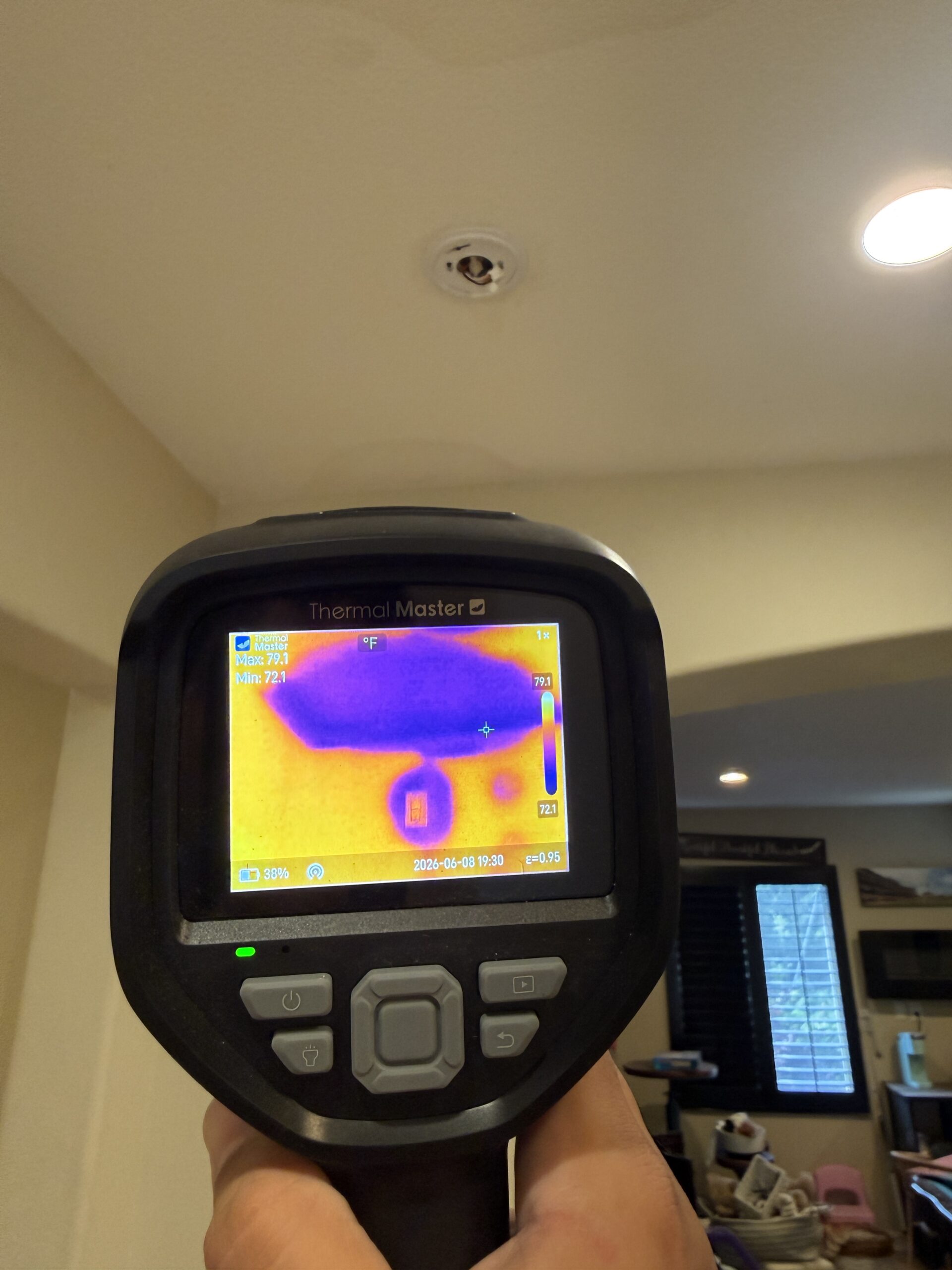
- Thermal imaging cameras
- Commercial dehumidifiers
- High-volume air movers
These tools help locate and remove hidden moisture before mold has an opportunity to develop.
What an IICRC-Certified Restoration Professional Wants You to Know
One of the biggest misconceptions is that if a room “feels dry,” it’s completely dry.
Moisture can remain trapped inside drywall, framing, insulation, cabinets, and subfloors long after the visible water has disappeared. Professional moisture mapping verifies that building materials have reached acceptable drying levels before reconstruction begins.
How to Help Prevent Mold After Water Damage
If your home experiences water damage:
- Stop the water source.
- Remove standing water if it is safe to do so.
- Document the damage.
- Contact your insurance company if appropriate.
- Begin professional mitigation as soon as possible.
- Follow the recommended drying plan until moisture goals are achieved.
Frequently Asked Questions
Can mold grow without standing water?
Yes. Damp building materials can provide enough moisture for mold growth.
Does every water loss cause mold?
No. Prompt extraction and proper structural drying can significantly reduce the risk of mold development.
Can I clean mold myself?
Small surface mold may sometimes be cleaned, but larger or hidden mold problems often require professional remediation. If you’re unsure about the extent of growth, have the area inspected before disturbing it.
Will insurance cover mold?
Coverage depends on the cause of the water damage and the terms of your policy. Some policies provide limited mold coverage when it results directly from a covered water loss.
Final Thoughts
Water damage doesn’t always lead to mold, but delaying cleanup can increase the risk. Acting quickly, documenting the damage, and beginning professional structural drying are among the most effective ways to protect your home.