
Finding water damage in your home is stressful enough—but one of the first questions homeowners ask is:
“Will my homeowners insurance cover this?”
The answer is sometimes.
Insurance companies generally cover sudden and accidental water damage, but they often deny claims involving long-term neglect, maintenance issues, or gradual leaks.
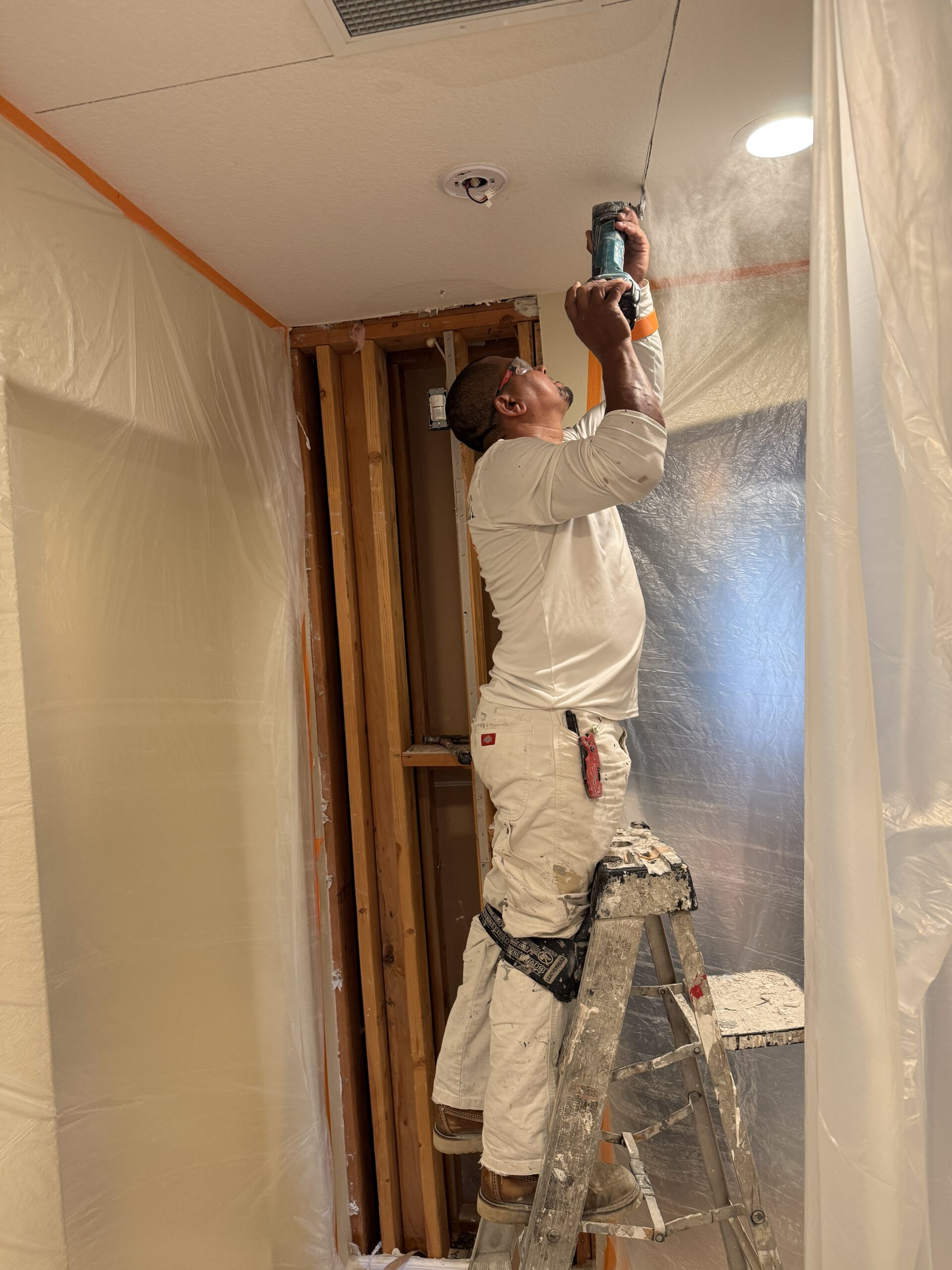
At Hurry Restoration, we’ve worked with homeowners throughout Riverside County and the Inland Empire who weren’t sure whether their loss was covered. Our team helps document the damage, perform emergency mitigation, and work directly with insurance adjusters whenever possible.
If you’re dealing with water damage, understanding what your policy typically covers can help you make the right decisions quickly.
When Does Homeowners Insurance Usually Cover Water Damage?
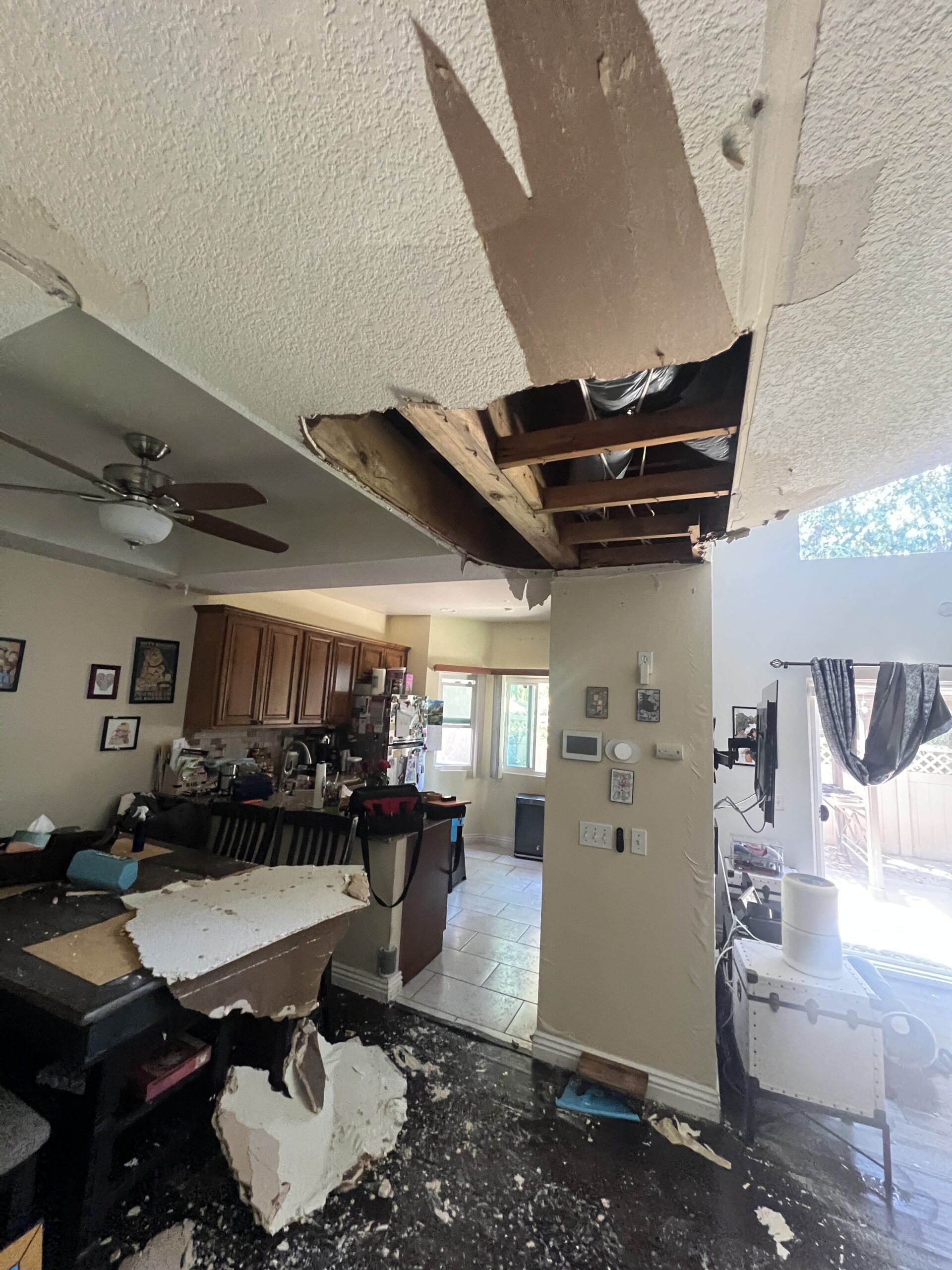
Most homeowners insurance policies cover sudden, unexpected water damage that could not have been reasonably prevented.
Common examples include:
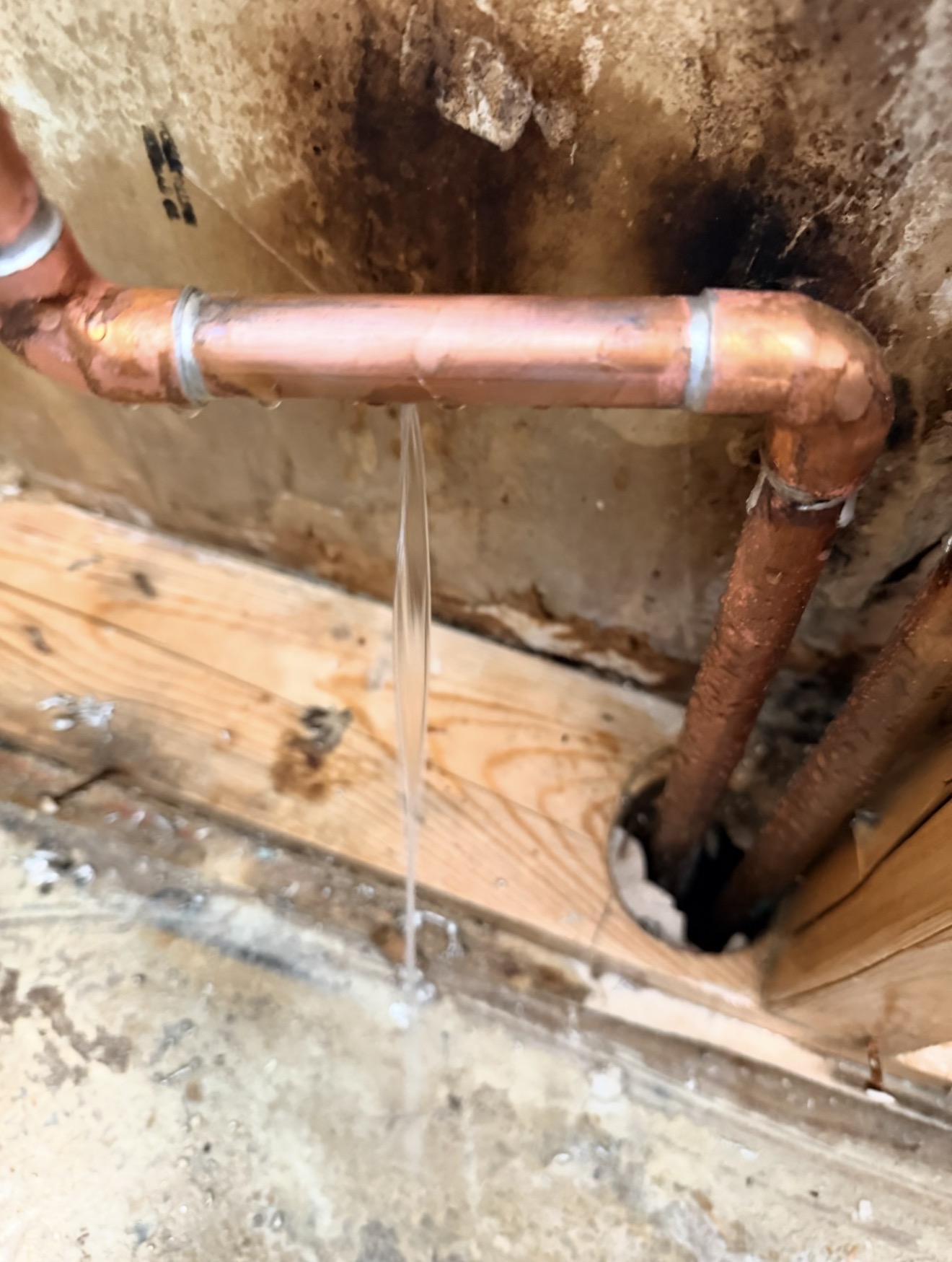
- Burst pipes
- Water heater failures
- Washing machine supply line failures
- Refrigerator water line leaks
- Dishwasher overflows
- Plumbing leaks inside walls
- Accidental toilet overflows (depending on the cause)
- Storm damage that allows water to enter after covered roof damage
If one of these events causes damage to drywall, flooring, cabinets, insulation, or personal belongings, your insurance policy will often help pay for repairs after your deductible.
Water Damage That Insurance Often Does NOT Cover
Insurance companies generally expect homeowners to maintain their property.
Claims are commonly denied for:
- Slow plumbing leaks left unrepaired
- Long-term roof leaks
- Poor maintenance
- Mold caused by neglected leaks
- Foundation seepage
- Groundwater entering through the slab
- Flooding from rising water outside the home (requires separate flood insurance)
If the damage occurred gradually over weeks or months, there is a higher chance your claim may be denied.
Does Insurance Cover Mold?
Mold coverage depends on what caused the mold.
If mold develops because of a covered water loss, insurance may help pay for remediation, depending on your policy limits.
For example:
✅ Burst pipe → Mold develops → Often covered.
❌ Slow leak under a sink for six months → Mold develops → Often denied.
This is one reason it’s critical to begin drying your property immediately after discovering water damage.
Does Insurance Cover Water Damage from a Slab Leak?
Slab leaks can be confusing.
Many insurance companies may cover the resulting damage caused by a sudden slab leak, such as:
- Wet flooring
- Damaged drywall
- Baseboards
- Cabinets
- Moisture trapped beneath flooring
However, they often do not pay to repair the actual plumbing pipe that failed.
Every policy is different, so reviewing your specific coverage is important.
What Should You Do Immediately After Water Damage?
The first 24 to 48 hours are critical.
Follow these steps:
- Shut off the water source if possible.
- Turn off electricity if water is near electrical hazards.
- Take photographs before moving anything.
- Contact your insurance company.
- Call a professional restoration company immediately.
- Begin drying the property as soon as possible.
Quick action helps reduce damage, prevent mold growth, and strengthens your insurance claim documentation.
Why Professional Documentation Matters
Insurance companies rely heavily on documentation.
At Hurry Restoration, we use professional equipment to document:
- Moisture mapping
- Thermal imaging
- Moisture meter readings
- Daily drying logs
- Equipment monitoring
- Before-and-after photographs
This information helps show exactly what was affected and supports your insurance claim.
What Does Water Damage Restoration Include?
Professional restoration is much more than placing fans in a room.
Depending on the loss, restoration may include:
- Emergency water extraction
- Structural drying
- Moisture mapping
- Dehumidification
- HEPA air filtration
- Mold prevention
- Selective demolition
- Content protection
- Odor removal
- Reconstruction services
Every property is different, and the drying plan is based on moisture readings and industry standards.
Frequently Asked Questions
Will insurance pay for a burst pipe?
In many cases, yes. Sudden and accidental pipe failures are commonly covered, although repairing the pipe itself may not always be included.
Is a water heater leak covered?
Often yes, if the leak occurred suddenly and unexpectedly. The resulting water damage is frequently covered, but replacing the water heater may not be.
Does homeowners insurance cover flood damage?
Usually not.
Flooding caused by rising water from outside generally requires a separate flood insurance policy.
Should I wait for my insurance company before drying my home?
No.
Insurance companies expect homeowners to take reasonable steps to prevent additional damage. Waiting can allow mold to develop and increase repair costs.
Trust Hurry Restoration When Water Damage Happens
Water damage doesn’t wait—and neither should you.
Whether you’re dealing with a burst pipe, slab leak, appliance failure, or unexpected water intrusion, Hurry Restoration provides fast emergency response, professional moisture documentation, structural drying, and complete restoration services throughout Riverside County and the Inland Empire.
Our goal is to help protect your property, minimize damage, and guide you through the restoration process from start to finish.
Need emergency water damage restoration? Call Hurry Restoration 24/7 at (800) 528-9110 for immediate assistance.