Discovering water damage in your home can feel overwhelming, but the actions you take during the first few hours can significantly affect the extent of the damage. Acting quickly can help protect your belongings, reduce damage to building materials, limit the risk of mold growth, and create stronger documentation for a potential insurance claim.
This guide explains what to do immediately after water damage, what to avoid, when to contact your insurance company, and when professional restoration services may be necessary.
Quick Answer: What Should You Do After Water Damage?
After discovering water damage, first make sure everyone is safe. Stop the water source if it can be done safely, avoid areas with electrical hazards or contaminated water, photograph the damage, move unaffected belongings away from the wet area, and contact a professional restoration company as soon as possible.
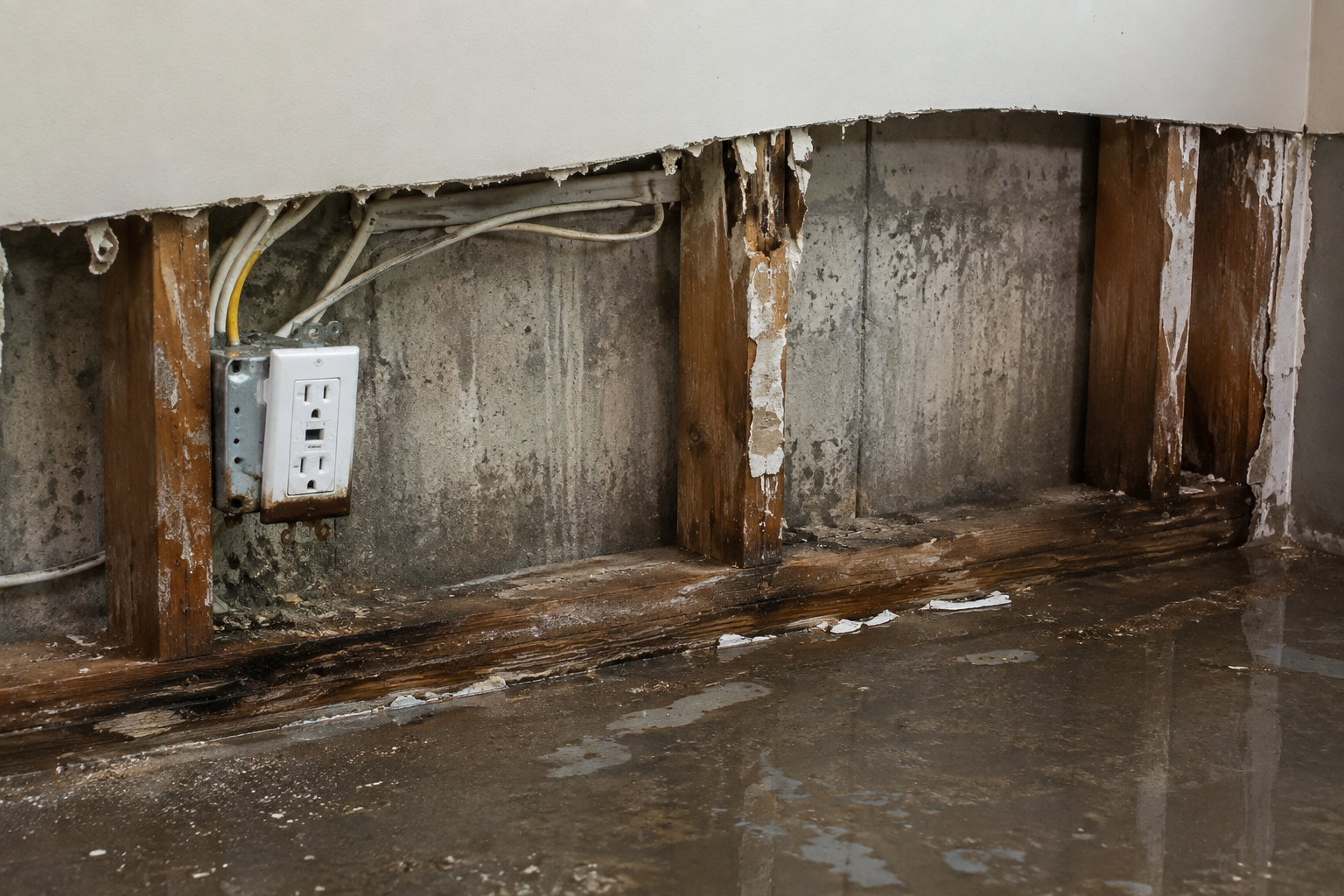
Removing visible water is only part of the process. Moisture can remain trapped beneath flooring, behind drywall, inside cabinets, and within structural framing even when the surface appears dry.
Key Steps to Take Immediately
Make sure the affected area is safe to enter.
Stop the water source if possible.
Turn off electricity to affected areas when necessary and safe.
Take photographs and videos before moving or removing items.
Move dry belongings away from the affected area.
Avoid contact with sewage or contaminated water.
Contact your insurance carrier when appropriate.
Call a qualified water damage restoration company.
Step 1: Protect Everyone From Immediate Hazards
Safety should always come before cleanup. Do not enter an area where water may have reached electrical outlets, appliances, extension cords, or exposed wiring. Avoid standing water until you know the electrical system is safe.
Water from sewage backups, toilet overflows involving waste, groundwater, or flooding may contain harmful contaminants. Keep children and pets away from affected areas and avoid direct contact with contaminated materials.
When there is a risk of electrical shock, structural instability, or contaminated water, wait for qualified professionals before entering the area.
Step 2: Stop the Source of the Water
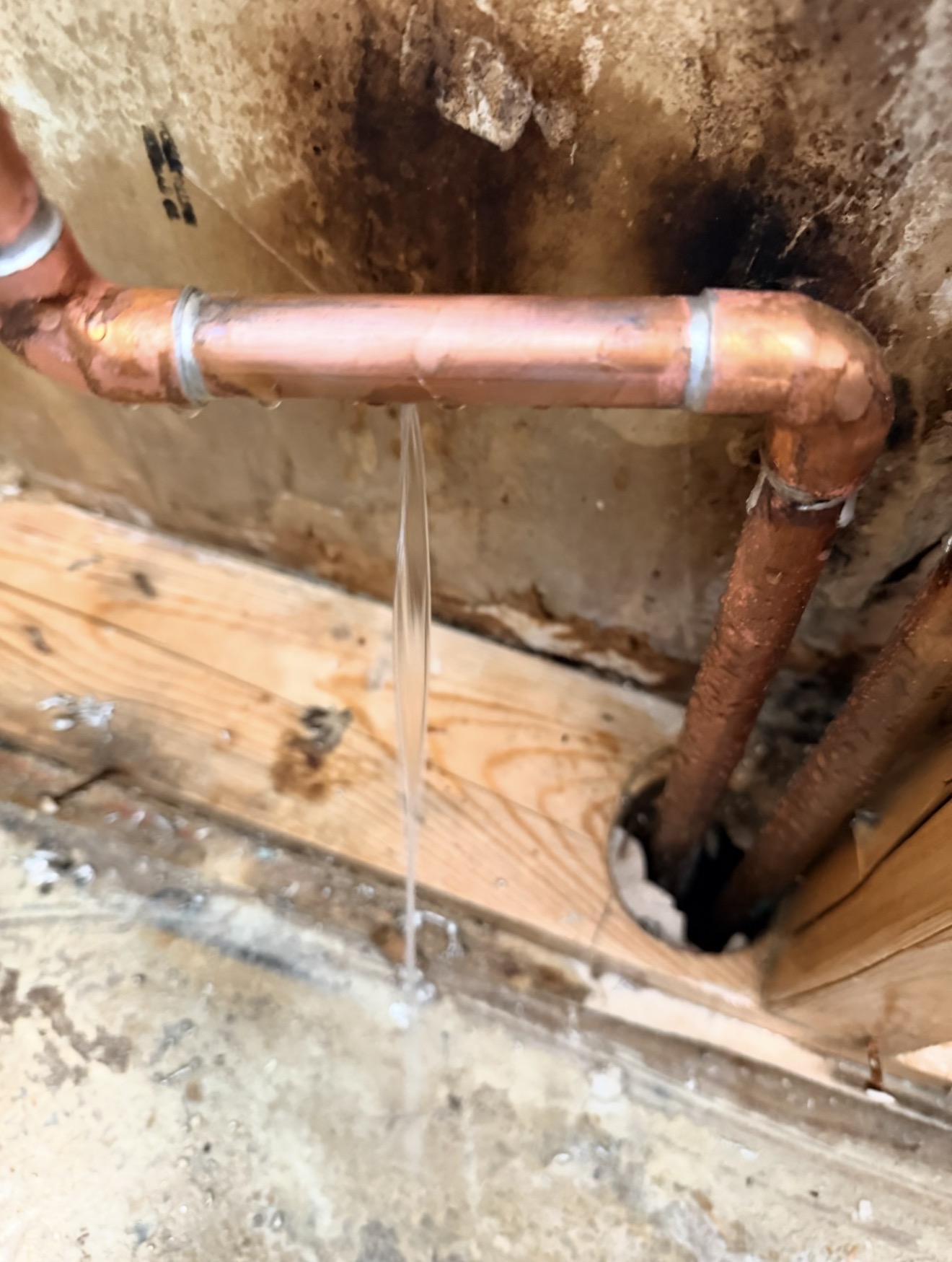
When it is safe to do so, identify and stop the source of the water. This may involve shutting off the water supply to a leaking fixture, appliance, toilet, or the entire property.
Common sources of sudden water damage include burst pipes, overflowing toilets, failed water heaters, appliance supply lines, roof leaks, plumbing leaks, air-conditioning drain problems, and sewage backups.
Stopping the source does not complete the restoration process, but it prevents additional water from entering the property while the damage is evaluated.
Step 3: Document the Damage Before Cleanup
Take clear photographs and videos before removing damaged materials or moving affected belongings. Document the source of the water, visible standing water, damaged flooring, wet walls, cabinets, ceilings, furniture, and personal property.
Photograph both wide views of each affected room and close-up views of individual damaged areas. Keep records of emergency expenses, contractor communications, damaged items, and any temporary repairs made to protect the property.
Good documentation may help your insurance carrier understand the cause and extent of the loss. Insurance coverage varies by policy, so contact your carrier or insurance professional for guidance about your specific claim.
Learn more about the water damage insurance claim process on our Insurance Claims page.
https://hurryrestoration.com/insurance-claims
Step 4: Move Unaffected Belongings to a Dry Area
Move dry furniture, rugs, electronics, boxes, clothing, and other unaffected belongings away from the wet area when it is safe to do so.
Do not place wet belongings directly against dry walls or on unaffected flooring. Use caution when moving heavy furniture, waterlogged materials, or items located near electrical hazards.
Items that have been exposed to sewage or other contaminated water may require specialized cleaning, sanitizing, or disposal.
Step 5: Remove Standing Water Only When It Is Safe
Small amounts of clean water may sometimes be removed with towels, mops, or a wet vacuum when there are no electrical, structural, or contamination hazards.
Large losses usually require professional extraction equipment. Professional water extraction can remove significantly more water than household tools and may help reduce the amount of time water remains in contact with flooring, drywall, cabinets, insulation, and structural materials.
Do not use a standard household vacuum to remove water. Household vacuums are not designed for water extraction and may create an electrical hazard.
Why a Surface Can Look Dry While Moisture Remains Hidden
One of the most common water damage mistakes is assuming that a surface is dry because it no longer looks or feels wet.
Water can migrate through seams, cracks, wall cavities, insulation, flooring systems, cabinets, and porous building materials. Moisture may remain trapped beneath tile, laminate, vinyl flooring, hardwood, carpet padding, drywall, baseboards, and lower cabinets.
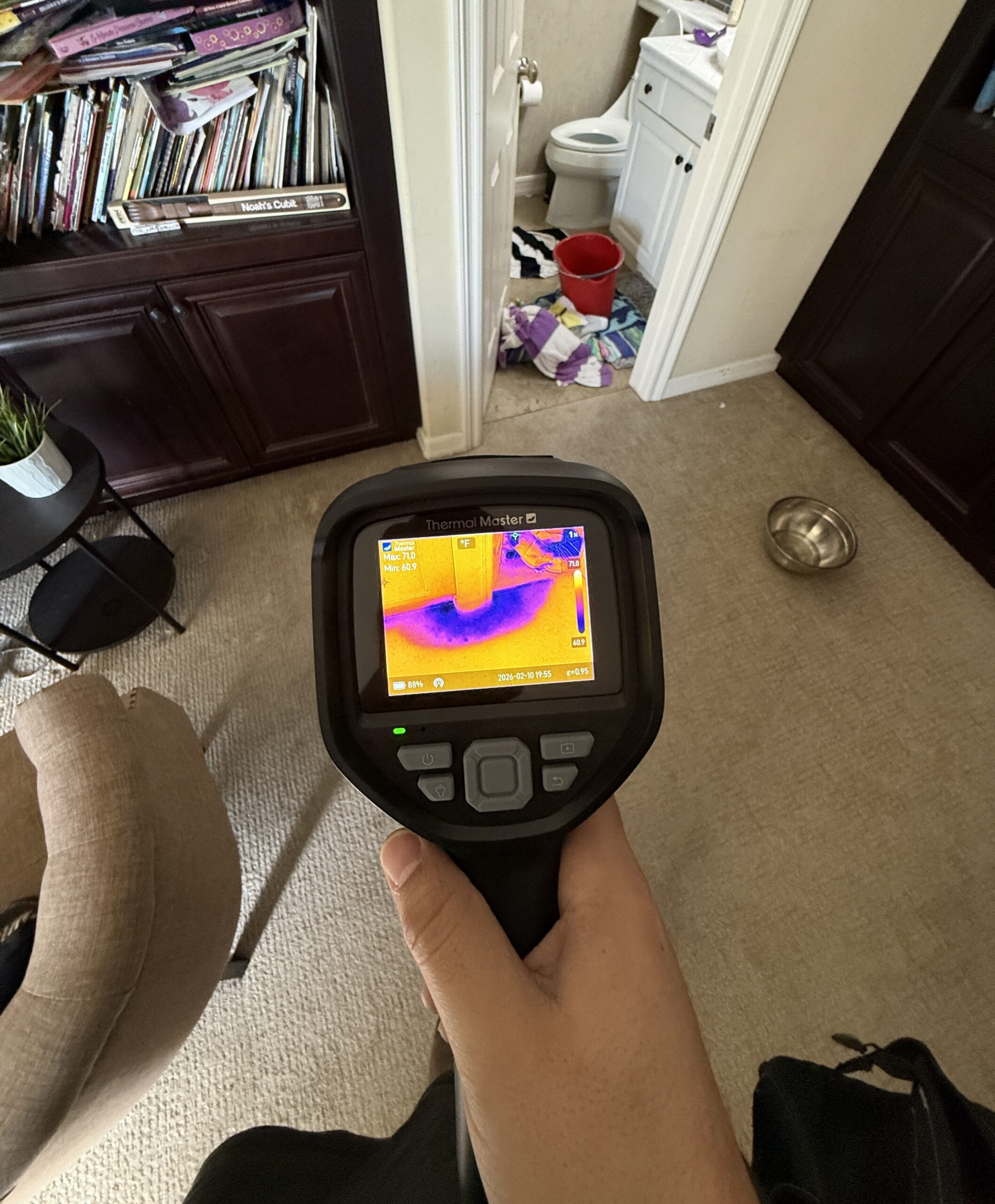
Professional restoration technicians use moisture meters, thermal imaging when appropriate, humidity readings, and moisture mapping to identify affected materials and monitor drying conditions.
Should You Use Fans After Water Damage?
Fans may help increase airflow in certain clean-water situations, but they are not always appropriate.
Do not place fans in areas affected by sewage, contaminated water, visible mold, or potentially hazardous materials. Air movement may spread contaminants into previously unaffected areas.
Fans also do not replace professional dehumidification. Air movers increase evaporation, while commercial dehumidifiers remove moisture from the air. Effective structural drying usually requires both airflow and humidity control based on the conditions of the property.
What Should You Avoid After Water Damage?
Do not enter standing water near electrical sources.
Do not use a household vacuum to extract water.
Do not disturb sewage-contaminated materials without proper protection.
Do not assume materials are dry based only on appearance.
Do not paint over water stains before the moisture source is corrected.
Do not remove large amounts of damaged material before documenting it.
Do not delay professional evaluation when water has entered walls, flooring, cabinets, or structural materials.
Do not use bleach as a substitute for proper water extraction, drying, and material evaluation.
Delaying action can allow water to spread farther into the building and may increase the amount of material that requires drying, cleaning, removal, or replacement.
How Quickly Can Mold Develop After Water Damage?
Mold can begin developing quickly when moisture remains in suitable conditions. Temperature, humidity, the type of material, contamination level, and the length of time materials remain wet all influence the risk.
Prompt extraction and structural drying can reduce the likelihood of secondary damage. However, simply removing visible water does not guarantee that walls, floors, cabinets, insulation, or framing are dry.
When water damage is not addressed promptly, a professional moisture inspection may be needed to determine whether hidden moisture or microbial growth is present.
Does Homeowners Insurance Cover Water Damage?
Homeowners insurance may cover certain types of sudden and accidental water damage, but coverage depends on the cause of the loss and the language of the policy.
A sudden pipe break or appliance supply-line failure may be treated differently from long-term seepage, poor maintenance, flooding, groundwater intrusion, or sewer backup. Some causes of water damage require separate endorsements or policies.
Document the damage, take reasonable steps to prevent additional damage, and contact your insurance carrier promptly. Do not assume that every water loss is covered or excluded without reviewing your specific policy.
What Does Professional Water Damage Restoration Include?
The exact restoration process depends on the source of the water, the affected materials, the contamination level, and how long the property has been wet. A professional water damage restoration project may include:
An inspection of the affected areas
Identification and correction of the water source
Moisture detection and moisture mapping
Standing-water extraction
Removal of unsalvageable materials when necessary
Placement of commercial air movers and dehumidifiers
Cleaning and sanitizing affected surfaces
Daily monitoring of moisture and humidity conditions
Documentation of affected materials and drying progress
Repairs and reconstruction after drying is complete
The goal is not simply to make the property look dry. The goal is to identify affected materials, remove excess moisture, control humidity, reduce secondary damage, and verify that drying goals have been achieved before repairs are completed.
https://hurryrestoration.com/water-damage-restoration-riverside-county
Learn more about our professional water damage restoration services.
How Long Does Water Damage Restoration Take?
The timeline depends on the amount of water, the materials affected, the source of the loss, contamination levels, weather conditions, and how quickly drying begins.
Some smaller water losses may dry within several days. More extensive losses involving insulation, cabinets, hardwood flooring, wall cavities, or multiple rooms may take longer. Reconstruction may begin only after affected materials have been removed, cleaned when appropriate, and dried to acceptable conditions.
A reliable drying timeline should be based on moisture readings and the actual condition of the materials rather than a predetermined number of days.
When Should You Call a Water Damage Restoration Company?
Contact a restoration professional when water has spread beyond a small surface area, entered walls or flooring, affected cabinets or ceilings, created electrical concerns, originated from sewage, or cannot be removed safely with household tools.
Professional help is also recommended when you are unsure how far the water traveled or whether hidden materials remain wet.
Hurry Restoration provides emergency water damage restoration, water extraction, structural drying, moisture detection, mold prevention, cleanup, and reconstruction assistance throughout Riverside County, San Bernardino County, Los Angeles County, and Orange County.
View the communities served by Hurry Restoration.
https://hurryrestoration.com/service-areas
Final Water Damage Checklist
Confirm that everyone is safe.
Stop the source of the water when possible.
Avoid electrical and contamination hazards.
Photograph and record the damage.
Move unaffected belongings to a dry location.
Contact your insurance carrier when appropriate.
Arrange professional water extraction and moisture detection.
Keep records of communications, expenses, and damaged items.
Confirm that affected materials are dry before repairs begin.
Need Emergency Water Damage Help?
Water damage can spread quickly through flooring, drywall, cabinets, insulation, and structural materials. A fast response can help reduce additional damage and begin the drying process sooner.
Hurry Restoration provides 24/7 emergency water damage restoration, structural drying, moisture detection, mold prevention, cleanup, and reconstruction services throughout Riverside County, San Bernardino County, Los Angeles County, and Orange County.
Call Hurry Restoration at 800-528-9110 for immediate assistance.
About Hurry Restoration
Hurry Restoration is a Southern California restoration company providing emergency water damage restoration, fire damage restoration, mold remediation, sewage cleanup, structural drying, insurance claim documentation, and reconstruction services. Our team serves residential and commercial properties throughout Riverside County, San Bernardino County, Los Angeles County, and Orange County.