
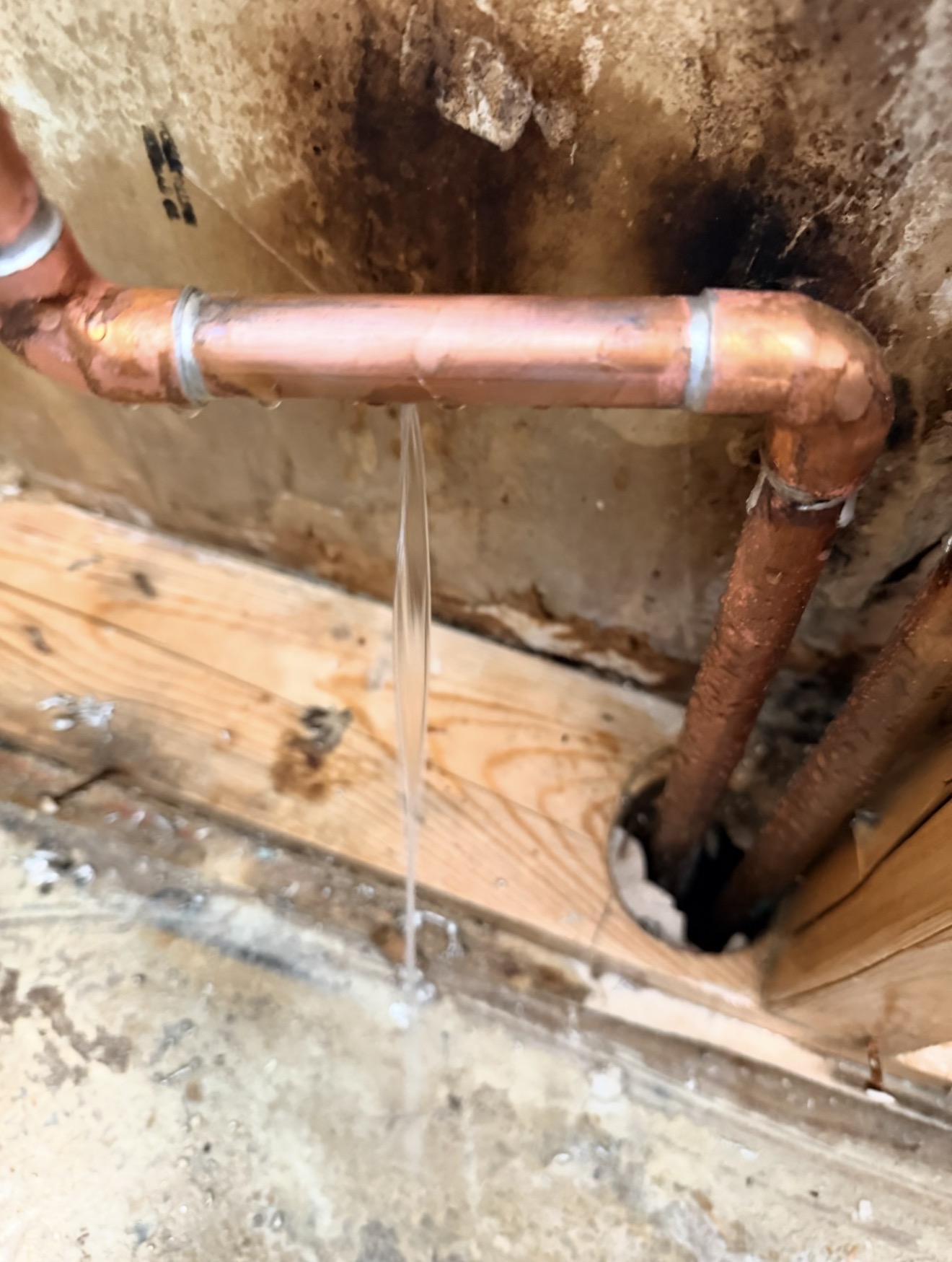
Does Homeowners Insurance Cover Water Damage?
One of the first questions homeowners ask after discovering water damage is:
“Will my homeowners insurance cover this?”
The answer depends on what caused the damage, how quickly it was discovered, and the terms of your insurance policy.
While every insurance policy is different, understanding the basics can help you make informed decisions after a water loss. Acting quickly is important because delaying cleanup can allow additional damage to occur, which may affect your claim and increase repair costs.
When Homeowners Insurance Usually Covers Water Damage
Many homeowners insurance policies cover sudden and accidental water damage.
Examples often include:
- Burst water supply pipes
- Sudden plumbing failures
- Overflowing washing machines
- Dishwasher supply line failures
- Water heater failures
- Accidental toilet overflows (clean water)
If the damage occurs unexpectedly and is not caused by neglect, there is a good chance your policy may provide coverage.
Always review your individual policy or speak directly with your insurance carrier to confirm your specific coverage.
When Water Damage May Not Be Covered
Insurance policies commonly exclude damage resulting from:
- Long-term leaks
- Lack of maintenance
- Gradual deterioration
- Mold caused by unresolved moisture
- Groundwater flooding (unless flood insurance is purchased separately)
- Repeated plumbing issues that were not repaired
Insurance is generally designed to cover sudden events, not maintenance-related problems.
Common Water Damage Scenarios
Burst Pipe
A burst pipe during the winter or because of a plumbing failure is commonly covered if the damage was sudden and accidental.
Water Heater Failure
If a water heater suddenly fails and floods your home, many policies may provide coverage for the resulting water damage.
Appliance Leaks
Unexpected failures involving:
- Refrigerators
- Dishwashers
- Washing machines
- Ice maker supply lines
may be covered depending on the cause of the loss.
Roof Leaks
Coverage depends on what caused the roof leak.
Storm-related damage may be covered.
Leaks caused by aging or poor maintenance often are not.
Slab Leaks
Coverage varies significantly between insurance companies and policies.
Some policies may cover the resulting damage to the home while not covering the plumbing repair itself.
What Should You Do After Discovering Water Damage?
Taking the right steps immediately can help reduce damage and make the insurance process smoother.
1. Stop the water source if it is safe.
2. Document the damage with photos and videos.
3. Protect unaffected belongings.
4. Contact your insurance company.
5. Contact a professional water damage restoration company to begin emergency mitigation.
Prompt mitigation helps reduce additional damage and demonstrates that reasonable steps were taken to protect the property.
Why Immediate Mitigation Matters
Waiting too long can lead to:
- Mold growth
- Additional structural damage
- Damaged flooring
- Swollen cabinetry
- Higher repair costs
Professional drying and moisture monitoring can help minimize secondary damage and support the restoration process.
Frequently Asked Questions
Does homeowners insurance cover mold?
Sometimes.
If mold develops as the direct result of a covered water loss and prompt mitigation occurred, some policies may provide limited coverage. Coverage varies by insurer and policy.
Will filing a water damage claim increase my insurance rates?
Insurance companies evaluate many factors when determining premiums. Because every situation is different, your insurance carrier is the best source for information about how a claim could affect your policy.
Can I choose my own restoration company?
In many cases, homeowners are free to choose the restoration contractor they prefer, even if the insurance company provides a list of suggested vendors. Review your policy and confirm any requirements with your insurer.
Should I wait for the adjuster before starting cleanup?
Emergency mitigation often should begin immediately to help prevent additional damage. Delaying necessary drying can increase the severity of the loss.
Final Thoughts
Understanding your homeowners insurance coverage can help reduce uncertainty after discovering water damage.
Although every insurance policy is unique, responding quickly, documenting the damage, and beginning professional mitigation are important first steps that can help protect both your property and your claim.
If you have questions about emergency water damage restoration or the mitigation process, Hurry Restoration is available 24/7 to help homeowners throughout Riverside and San Bernardino Counties.