
Tag: burst pipe

  • Does Homeowners Insurance Cover Water Damage? (Complete 2026 Guide)

    Does Homeowners Insurance Cover Water Damage? (Complete 2026 Guide)

    Finding water damage in your home is stressful enough—but one of the first questions homeowners ask is:

    “Will my homeowners insurance cover this?”

    The answer is sometimes.

    Insurance companies generally cover sudden and accidental water damage, but they often deny claims involving long-term neglect, maintenance issues, or gradual leaks.

    At Hurry Restoration, we’ve worked with homeowners throughout Riverside County and the Inland Empire who weren’t sure whether their loss was covered. Our team helps document the damage, perform emergency mitigation, and work directly with insurance adjusters whenever possible.

    If you’re dealing with water damage, understanding what your policy typically covers can help you make the right decisions quickly.


    When Does Homeowners Insurance Usually Cover Water Damage?

    Most homeowners insurance policies cover sudden, unexpected water damage that could not have been reasonably prevented.

    Common examples include:

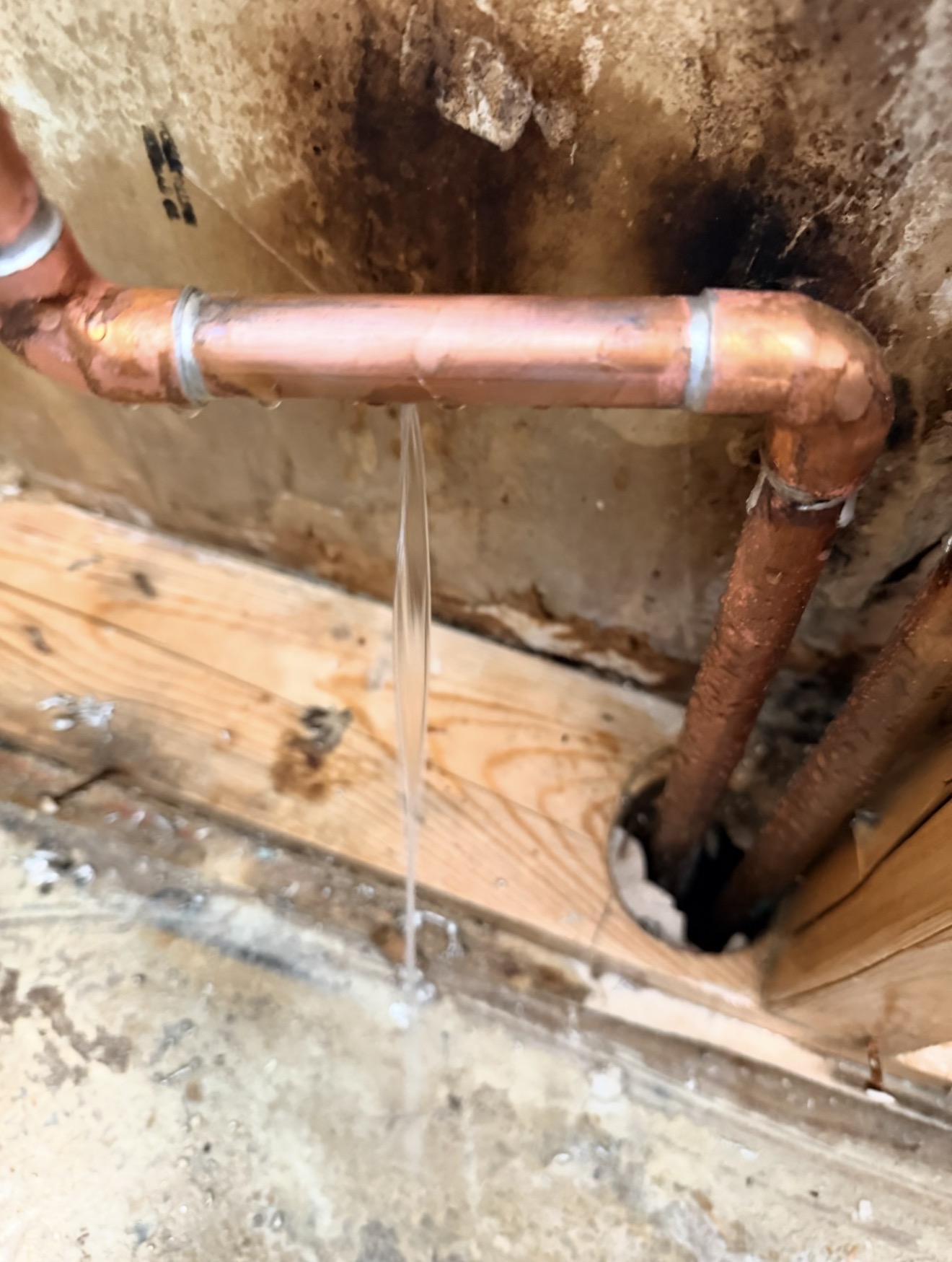
    • Burst pipes
    • Water heater failures
    • Washing machine supply line failures
    • Refrigerator water line leaks
    • Dishwasher overflows
    • Plumbing leaks inside walls
    • Accidental toilet overflows (depending on the cause)
    • Storm damage that allows water to enter after covered roof damage

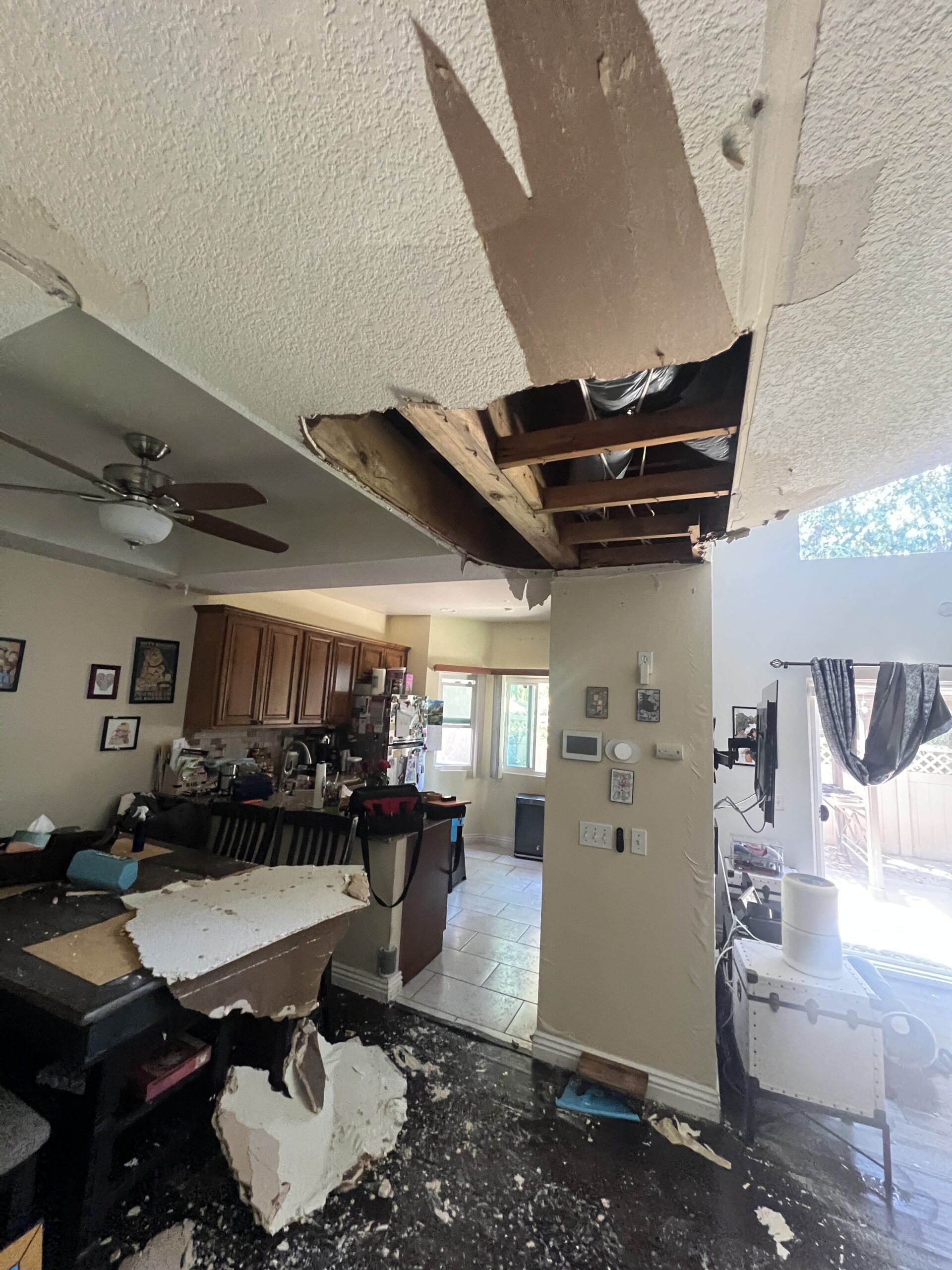
    If one of these events causes damage to drywall, flooring, cabinets, insulation, or personal belongings, your insurance policy will often help pay for repairs after your deductible.


    Water Damage That Insurance Often Does NOT Cover

    Insurance companies generally expect homeowners to maintain their property.

    Claims are commonly denied for:

    • Slow plumbing leaks left unrepaired
    • Long-term roof leaks
    • Poor maintenance
    • Mold caused by neglected leaks
    • Foundation seepage
    • Groundwater entering through the slab
    • Flooding from rising water outside the home (requires separate flood insurance)

    If the damage occurred gradually over weeks or months, there is a higher chance your claim may be denied.


    Does Insurance Cover Mold?

    Mold coverage depends on what caused the mold.

    If mold develops because of a covered water loss, insurance may help pay for remediation, depending on your policy limits.

    For example:

    ✅ Burst pipe → Mold develops → Often covered.

    ❌ Slow leak under a sink for six months → Mold develops → Often denied.

    This is one reason it’s critical to begin drying your property immediately after discovering water damage.


    Does Insurance Cover Water Damage from a Slab Leak?

    Slab leaks can be confusing.

    Many insurance companies may cover the resulting damage caused by a sudden slab leak, such as:

    • Wet flooring
    • Damaged drywall
    • Baseboards
    • Cabinets
    • Moisture trapped beneath flooring

    However, they often do not pay to repair the actual plumbing pipe that failed.

    Every policy is different, so reviewing your specific coverage is important.


    What Should You Do Immediately After Water Damage?

    The first 24 to 48 hours are critical.

    Follow these steps:

    1. Shut off the water source if possible.
    2. Turn off electricity if water is near electrical hazards.
    3. Take photographs before moving anything.
    4. Contact your insurance company.
    5. Call a professional restoration company immediately.
    6. Begin drying the property as soon as possible.

    Quick action helps reduce damage, prevent mold growth, and strengthens your insurance claim documentation.


    Why Professional Documentation Matters

    Insurance companies rely heavily on documentation.

    At Hurry Restoration, we use professional equipment to document:

    • Moisture mapping
    • Thermal imaging
    • Moisture meter readings
    • Daily drying logs
    • Equipment monitoring
    • Before-and-after photographs

    This information helps show exactly what was affected and supports your insurance claim.


    What Does Water Damage Restoration Include?

    Professional restoration is much more than placing fans in a room.

    Depending on the loss, restoration may include:

    • Emergency water extraction
    • Structural drying
    • Moisture mapping
    • Dehumidification
    • HEPA air filtration
    • Mold prevention
    • Selective demolition
    • Content protection
    • Odor removal
    • Reconstruction services

    Every property is different, and the drying plan is based on moisture readings and industry standards.


    Frequently Asked Questions

    Will insurance pay for a burst pipe?

    In many cases, yes. Sudden and accidental pipe failures are commonly covered, although repairing the pipe itself may not always be included.


    Is a water heater leak covered?

    Often yes, if the leak occurred suddenly and unexpectedly. The resulting water damage is frequently covered, but replacing the water heater may not be.


    Does homeowners insurance cover flood damage?

    Usually not.

    Flooding caused by rising water from outside generally requires a separate flood insurance policy.


    Should I wait for my insurance company before drying my home?

    No.

    Insurance companies expect homeowners to take reasonable steps to prevent additional damage. Waiting can allow mold to develop and increase repair costs.


    Trust Hurry Restoration When Water Damage Happens

    Water damage doesn’t wait—and neither should you.

    Whether you’re dealing with a burst pipe, slab leak, appliance failure, or unexpected water intrusion, Hurry Restoration provides fast emergency response, professional moisture documentation, structural drying, and complete restoration services throughout Riverside County and the Inland Empire.

    Our goal is to help protect your property, minimize damage, and guide you through the restoration process from start to finish.

    Need emergency water damage restoration? Call Hurry Restoration 24/7 at (800) 528-9110 for immediate assistance.
  • Can Water Damage Cause Electrical Fires? What Every Homeowner Needs to Know

    Can Water Damage Cause Electrical Fires? What Every Homeowner Needs to Know

    Can Water Damage Cause Electrical Fires?

    Yes.

    Water damage can create serious electrical hazards that increase the risk of electrical shorts, damaged wiring, and even house fires if the problem is not addressed quickly.

    While water itself does not always start a fire, it can damage electrical systems, corrode wiring, and create unsafe conditions long after the visible water has dried.

    If your home has experienced flooding, a burst pipe, roof leak, or appliance leak, your electrical system should always be considered during the restoration process.


    Quick Answer

    Water damage can increase the risk of electrical fires by damaging outlets, wiring, electrical panels, and appliances. Never restore power to a flooded area until it has been inspected and declared safe.


    Key Takeaways

    • Water and electricity create dangerous conditions.
    • Wet electrical wiring can short circuit.
    • Corrosion may continue weeks after water damage.
    • Electrical panels exposed to water should be inspected.
    • Fast drying reduces long-term damage.

    How Water Damages Electrical Systems

    Water can reach electrical systems in several ways.

    Flooding may submerge outlets.

    Roof leaks can drip into attic wiring.

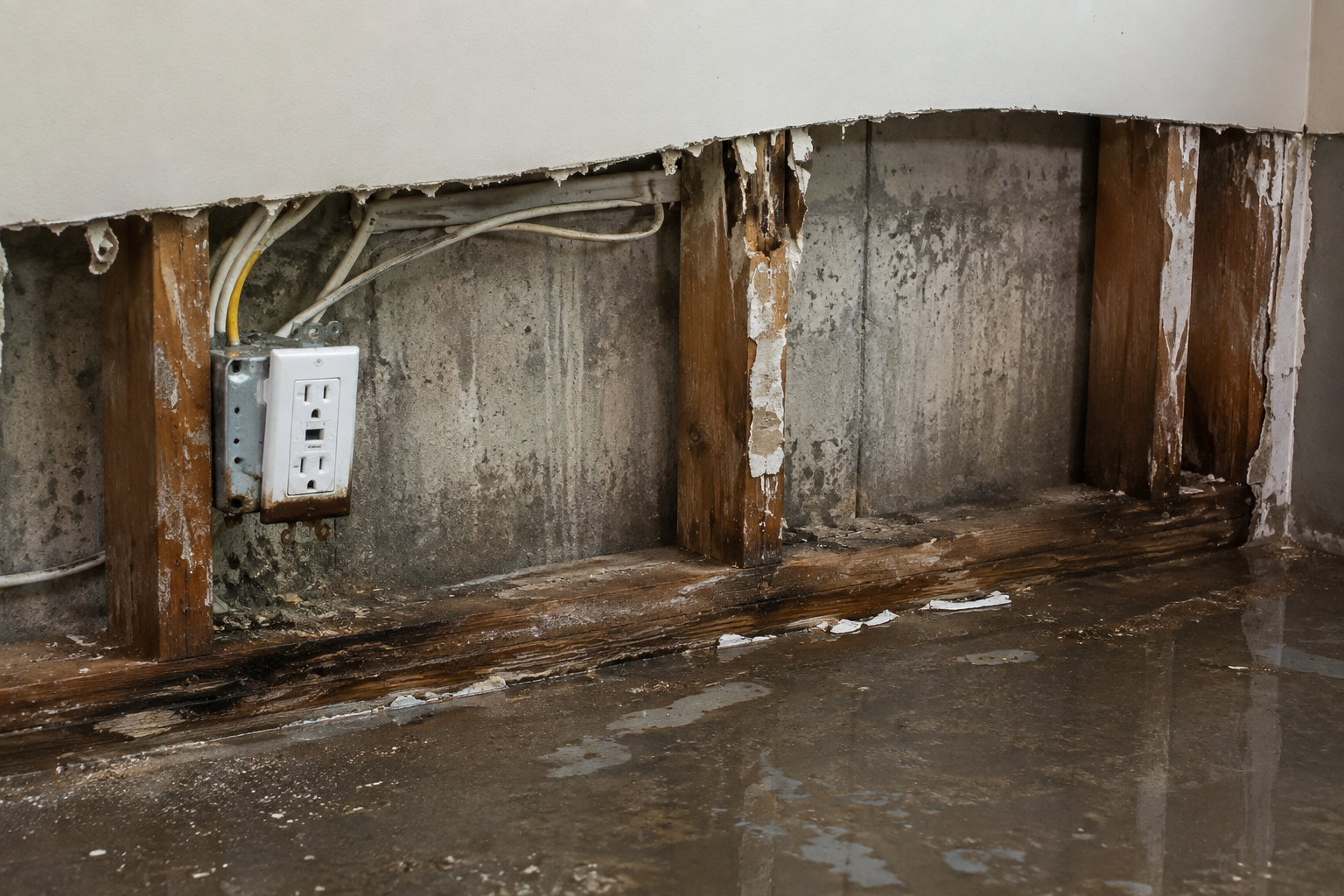
    Burst pipes may soak walls where electrical wiring runs.

    Slab leaks can affect wiring near the foundation.

    Even high humidity after water damage can eventually corrode electrical components.


    Warning Signs

    Watch for:

    • Flickering lights
    • Warm outlets
    • Burning smells
    • Tripped breakers
    • Buzzing sounds
    • Rust around electrical panels
    • Water stains near outlets
    • Sparks

    If any of these occur, stop using the affected circuit and contact a qualified electrician immediately.


    Should You Turn the Power Back On?

    Not until the property has been evaluated.

    If water reached:

    • the breaker panel
    • outlets
    • switches
    • extension cords
    • appliances

    the electrical system should be inspected before power is restored.

    Attempting to energize wet electrical equipment can create a dangerous shock or fire hazard.


    How Professionals Reduce the Risk

    Professional restoration companies help by:

    • Removing standing water quickly
    • Drying structural materials
    • Locating hidden moisture
    • Preventing mold growth
    • Documenting moisture readings
    • Coordinating repairs with electricians when needed

    The sooner moisture is removed, the lower the risk of long-term structural and electrical damage.


    Frequently Asked Questions

    Can water inside walls damage electrical wiring?

    Yes. Hidden moisture inside walls can reach electrical wiring, outlets, and junction boxes.


    Can I use outlets after water damage?

    Only after they have been inspected if water exposure is suspected.


    Does homeowners insurance cover electrical damage from water?

    Many homeowners insurance policies may cover sudden and accidental water damage, but coverage depends on the source of the loss and your individual policy.


    Can wet breakers be reused?

    An electrician should determine whether breakers exposed to water should be replaced.


    Protect Your Home After Water Damage

    If your property has experienced flooding or water damage, don’t wait for electrical problems to develop.

    Professional drying, moisture detection, and fast mitigation help protect both your structure and your electrical system.

    Hurry Restoration provides 24/7 emergency water damage restoration throughout Riverside County, Orange County, Los Angeles County, and San Diego County.


    About Hurry Restoration

    Hurry Restoration is a Southern California emergency restoration company specializing in water damage restoration, structural drying, mold remediation, fire damage restoration, sewage cleanup, and complete reconstruction. We use advanced moisture detection equipment and proven drying methods to restore homes and businesses while working directly with insurance providers.


    📞 Call Hurry Restoration 24/7

    Water damage doesn’t wait—and neither do we.

    📞 Call 800-528-9110

  • Burst Pipe Water Damage: What to Do Before Help Arrives | Hurry Restoration

    Burst Pipe Water Damage: What to Do Before Help Arrives | Hurry Restoration

    A burst pipe can release gallons of water into your home within minutes, causing extensive damage to flooring, drywall, cabinets, insulation, and personal belongings. Whether the pipe bursts due to freezing temperatures, aging plumbing, high water pressure, or an unexpected failure, acting quickly can significantly reduce repair costs and prevent secondary damage like mold growth.

    At Hurry Restoration, we provide 24/7 emergency water damage restoration throughout Riverside and San Bernardino Counties, helping homeowners recover from burst pipe emergencies with rapid water extraction, structural drying, and complete restoration services.


    What Causes a Pipe to Burst?

    Several issues can cause residential plumbing pipes to fail unexpectedly, including:

    • Frozen pipes
    • Corrosion inside older plumbing
    • High water pressure
    • Clogged pipes creating excess pressure
    • Tree root intrusion
    • Poor plumbing installation
    • Aging pipe materials
    • Foundation movement

    Many burst pipes happen without warning and continue leaking until the home’s main water supply is shut off.


    Step 1: Shut Off the Main Water Supply

    The first priority is stopping the flow of water.

    Locate your home’s main water shut-off valve and turn it off immediately. This prevents additional water from entering your plumbing system and minimizes further property damage.

    If you are unsure where your shut-off valve is located, contact your local water provider or a licensed plumber for assistance after the emergency has been controlled.


    Step 2: Turn Off Electricity If Water Is Near Electrical Components

    If standing water is approaching outlets, electrical panels, appliances, or exposed wiring, turn off electricity to the affected areas only if it is safe to do so.

    Never walk through standing water that may be energized.

    Your safety should always come first.


    Step 3: Remove Standing Water If It Is Safe

    The faster excess water is removed, the less damage your home may experience.

    If the affected area is small, towels or a wet vacuum may help remove surface water.

    For larger losses, professional extraction equipment removes significantly more water and helps reduce drying time.


    Step 4: Protect Furniture and Personal Belongings

    Move valuable belongings away from wet flooring whenever possible.

    Items to prioritize include:

    • Electronics
    • Important documents
    • Area rugs
    • Family photographs
    • Furniture
    • Clothing
    • Artwork

    If furniture cannot be moved, placing aluminum foil or wood blocks beneath the legs may help reduce additional moisture absorption.


    Step 5: Document Everything for Insurance

    Before cleanup begins, document the damage thoroughly.

    Take clear photographs of:

    • The broken pipe
    • Standing water
    • Damaged flooring
    • Wet drywall
    • Cabinets
    • Personal belongings
    • Moisture spread

    Detailed documentation can help support your insurance claim and provide a clear record of the loss.


    How Professional Water Damage Restoration Helps

    Professional restoration companies do much more than simply remove visible water.

    The restoration process typically includes:

    • Moisture inspection
    • Thermal imaging when necessary
    • Water extraction
    • Removal of damaged materials
    • Structural drying
    • Commercial dehumidification
    • Daily moisture monitoring
    • Mold prevention
    • Cleaning and sanitizing
    • Restoration planning

    Hidden moisture inside walls, flooring, and insulation often remains long after surface water has disappeared.


    Can a Burst Pipe Cause Mold?

    Yes.

    Mold can begin developing within 24 to 48 hours when building materials remain wet.

    Drywall, insulation, wood framing, carpet padding, and cabinetry are especially vulnerable to mold growth if moisture is not removed properly.

    Rapid drying greatly reduces the likelihood of mold developing after a burst pipe.


    Does Homeowners Insurance Cover Burst Pipes?

    In many situations, homeowners insurance covers sudden and accidental water damage caused by a burst pipe.

    Coverage often depends on:

    • The cause of the pipe failure
    • Policy exclusions
    • Maintenance history
    • Whether the damage resulted from sudden failure or long-term neglect

    Your insurance carrier can explain the specific coverage available under your policy.


    Why Fast Response Matters

    Water continues spreading through porous building materials every minute.

    The longer moisture remains inside your home, the greater the risk of:

    • Drywall damage
    • Hardwood floor damage
    • Cabinet swelling
    • Structural deterioration
    • Mold growth
    • Higher repair costs

    Quick action often results in a faster restoration process and less overall damage.


    Frequently Asked Questions

    How quickly should I respond to a burst pipe?

    Immediately. Every minute the water continues flowing increases damage and restoration costs.


    Can I stay in my home during restoration?

    Many homeowners can remain in their homes during smaller losses. Larger losses may require temporary relocation depending on the extent of damage.


    Will fans dry everything?

    Household fans help circulate air but usually cannot remove enough moisture trapped inside walls, flooring, insulation, and structural materials.


    How long does water damage restoration take?

    Every project is different, but most drying processes take between 3 and 5 days, depending on the amount of moisture and the affected materials.


    Need Emergency Burst Pipe Cleanup?

    If a burst pipe has caused water damage in your home, acting quickly can help reduce damage and protect your property.

    Hurry Restoration provides 24/7 emergency water extraction, structural drying, and water damage restoration throughout Riverside and San Bernardino Counties. Our team responds quickly, uses professional drying equipment, and works to restore your property as efficiently as possible.

    Call Hurry Restoration anytime for immediate emergency water damage assistance.

  • Does Homeowners Insurance Cover Water Damage? Complete 2026 Guide

    Does Homeowners Insurance Cover Water Damage? Complete 2026 Guide

    Does Homeowners Insurance Cover Water Damage?

    One of the first questions homeowners ask after discovering water damage is:

    “Will my homeowners insurance cover this?”

    The answer depends on what caused the damage, how quickly it was discovered, and the terms of your insurance policy.

    While every insurance policy is different, understanding the basics can help you make informed decisions after a water loss. Acting quickly is important because delaying cleanup can allow additional damage to occur, which may affect your claim and increase repair costs.

    When Homeowners Insurance Usually Covers Water Damage

    Many homeowners insurance policies cover sudden and accidental water damage.

    Examples often include:

    • Burst water supply pipes
    • Sudden plumbing failures
    • Overflowing washing machines
    • Dishwasher supply line failures
    • Water heater failures
    • Accidental toilet overflows (clean water)

    If the damage occurs unexpectedly and is not caused by neglect, there is a good chance your policy may provide coverage.

    Always review your individual policy or speak directly with your insurance carrier to confirm your specific coverage.

    When Water Damage May Not Be Covered

    Insurance policies commonly exclude damage resulting from:

    • Long-term leaks
    • Lack of maintenance
    • Gradual deterioration
    • Mold caused by unresolved moisture
    • Groundwater flooding (unless flood insurance is purchased separately)
    • Repeated plumbing issues that were not repaired

    Insurance is generally designed to cover sudden events, not maintenance-related problems.

    Common Water Damage Scenarios

    Burst Pipe

    A burst pipe during the winter or because of a plumbing failure is commonly covered if the damage was sudden and accidental.


    Water Heater Failure

    If a water heater suddenly fails and floods your home, many policies may provide coverage for the resulting water damage.


    Appliance Leaks

    Unexpected failures involving:

    • Refrigerators
    • Dishwashers
    • Washing machines
    • Ice maker supply lines

    may be covered depending on the cause of the loss.


    Roof Leaks

    Coverage depends on what caused the roof leak.

    Storm-related damage may be covered.

    Leaks caused by aging or poor maintenance often are not.


    Slab Leaks

    Coverage varies significantly between insurance companies and policies.

    Some policies may cover the resulting damage to the home while not covering the plumbing repair itself.

    What Should You Do After Discovering Water Damage?

    Taking the right steps immediately can help reduce damage and make the insurance process smoother.

    1. Stop the water source if it is safe.

    2. Document the damage with photos and videos.

    3. Protect unaffected belongings.

    4. Contact your insurance company.

    5. Contact a professional water damage restoration company to begin emergency mitigation.

    Prompt mitigation helps reduce additional damage and demonstrates that reasonable steps were taken to protect the property.

    Why Immediate Mitigation Matters

    Waiting too long can lead to:

    • Mold growth
    • Additional structural damage
    • Damaged flooring
    • Swollen cabinetry
    • Higher repair costs

    Professional drying and moisture monitoring can help minimize secondary damage and support the restoration process.

    Frequently Asked Questions

    Does homeowners insurance cover mold?

    Sometimes.

    If mold develops as the direct result of a covered water loss and prompt mitigation occurred, some policies may provide limited coverage. Coverage varies by insurer and policy.


    Will filing a water damage claim increase my insurance rates?

    Insurance companies evaluate many factors when determining premiums. Because every situation is different, your insurance carrier is the best source for information about how a claim could affect your policy.


    Can I choose my own restoration company?

    In many cases, homeowners are free to choose the restoration contractor they prefer, even if the insurance company provides a list of suggested vendors. Review your policy and confirm any requirements with your insurer.


    Should I wait for the adjuster before starting cleanup?

    Emergency mitigation often should begin immediately to help prevent additional damage. Delaying necessary drying can increase the severity of the loss.


    Final Thoughts

    Understanding your homeowners insurance coverage can help reduce uncertainty after discovering water damage.

    Although every insurance policy is unique, responding quickly, documenting the damage, and beginning professional mitigation are important first steps that can help protect both your property and your claim.

    If you have questions about emergency water damage restoration or the mitigation process, Hurry Restoration is available 24/7 to help homeowners throughout Riverside and San Bernardino Counties.

  • What to Do Immediately After Water Damage in Your Home

    What to Do Immediately After Water Damage in Your Home

    Discovering water damage in your home can feel overwhelming, but the steps you take in the first few minutes can reduce further damage and help protect your property. Whether the problem came from a burst pipe, appliance leak, overflowing toilet, roof leak, or flooding, safety should come first. Hurry Restoration provides 24/7 emergency water damage restoration throughout Riverside County and the Inland Empire.

    1. Make Sure Everyone Is Safe

    Avoid entering areas where water may be touching electrical outlets, appliances, or wiring. If it is safe to do so, turn off the electricity to the affected area. Keep children and pets away from standing water, especially if the source may involve sewage or contaminated water.

    2. Stop the Source of the Water

    If you can safely identify the source, shut off the nearest water valve or the home’s main water supply. Do not attempt repairs involving electricity, sewage, or damaged plumbing. Stopping the flow quickly can limit how far the water spreads and reduce damage to flooring, drywall, cabinets, and personal belongings.

    3. Call a Professional Water Damage Restoration Company

    Water can move behind walls, beneath flooring, and into cabinets where it may not be immediately visible. A professional restoration team can inspect the affected areas, remove standing water, set up drying equipment, and monitor moisture levels until the structure is properly dried. Hurry Restoration provides 24/7 emergency water damage restoration throughout Riverside County and the Inland Empire.

    4. Document the Damage

    Take clear photos and videos of the affected rooms, damaged materials, and the suspected source of the water. Documenting the condition before cleanup begins can help support your insurance claim. Avoid throwing away damaged materials until they have been photographed or reviewed by your insurance company or restoration contractor.

    5. Contact Your Insurance Company

    Report the loss to your insurance company as soon as practical and ask what documentation they need. Keep your claim number, adjuster contact information, photos, receipts, and restoration documents together. Hurry Restoration can provide moisture documentation, photographs, estimates, and other information that may help with the claims process.

    6. Do Not Assume the Area Is Dry

    Surfaces may feel dry even when moisture remains trapped beneath flooring, inside wall cavities, or behind cabinets. Hidden moisture can lead to additional damage and microbial growth. Professional moisture meters and drying equipment are used to confirm when affected materials have reached appropriate drying conditions.

    7. Avoid Common Cleanup Mistakes

    Do not use a household vacuum to remove standing water, and do not place fans in areas that may contain sewage or contaminated water. Avoid removing large sections of drywall, flooring, or cabinetry without documenting the damage first. Improper cleanup can spread contamination or make the damage harder to evaluate.

    Need Emergency Water Damage Help?

    If your home or business has water damage, call Hurry Restoration at 1-800-528-9110 for 24/7 emergency assistance. Our team provides water extraction, structural drying, moisture monitoring, and restoration services throughout Riverside County and the Inland Empire.

    Learn more about our water damage restoration services or view our service areas.